

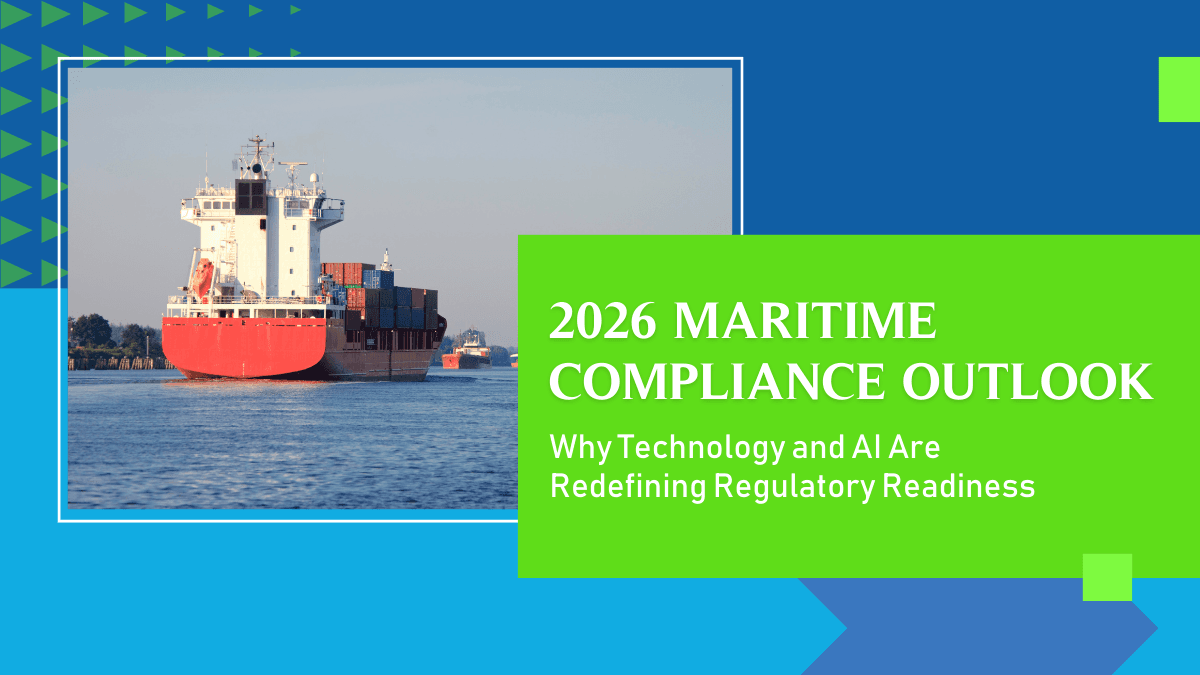
Documents were prepared before inspections. Logs were updated when deadlines approached. Gaps were fixed retrospectively. Most fleets learned how to manage the moment rather than manage compliance itself.
That model is no longer holding.
Not because ship operators suddenly care less but because regulators, inspectors, and charterers now see more, ask more, and verify more. And by 2026, the margin for explanation, reconstruction, or informal justification will be very thin. Maritime environmental regulations are tightening, inspections are becoming more data-driven, and regulators increasingly expect verifiable proof, not explanations, not intentions, and not reconstructed paperwork.
This shift fundamentally changes what “being compliant” means. It breaks the habit of reactive compliance (thick-box exercise) with a shift towards a more proactive approach.
From an HSQE perspective, the most important change is not a new regulation. It is a change in how compliance is evaluated.
Environmental performance, safety management, inspections, cyber readiness, and even commercial acceptance are no longer reviewed in isolation. Weakness in one area increasingly exposes risk in others.
We see this repeatedly:
An environmental data inconsistency triggers deeper HSQE questioning
A PSC inspection escalates because corrective actions cannot be traced properly
A SIRE 2.0 review reveals that procedures exist, but evidence does not
The expectation is no longer “show us what you prepared”. It is “show us how you operate, continuously”.
Many fleets still rely on handwritten logs, spreadsheets, and fragmented systems. Not because they are unaware of digital tools, but because these methods feel safer. Less transparent. Easier to adjust.
We have seen companies deliberately delay digital adoption out of fear that recorded timestamps, geolocation, or activity logs could expose gaps during inspections or investigations.
This is an uncomfortable truth.
But the reality is that inspectors and verifiers increasingly see manual records not as neutral, but as risk indicators. Inconsistent formats, missing metadata, and reconstructed timelines raise more questions, not fewer.
In 2026, credibility comes less from explanation and more from verifiable evidence.
With EU ETS, FuelEU Maritime, CII, MRV, and DCS running in parallel, environmental compliance is no longer about filling reports. It is about data quality over time.
HSQE teams are now expected to:
Detect inconsistencies early, not at verification
Explain performance trends, not just results
Link corrective actions to measurable improvement
What fails most often is not effort but it is structure. Data lives in too many places, collected in different ways, reviewed too late.
Fleets that cannot validate environmental data continuously will struggle during verification, inspections, and commercial reviews.
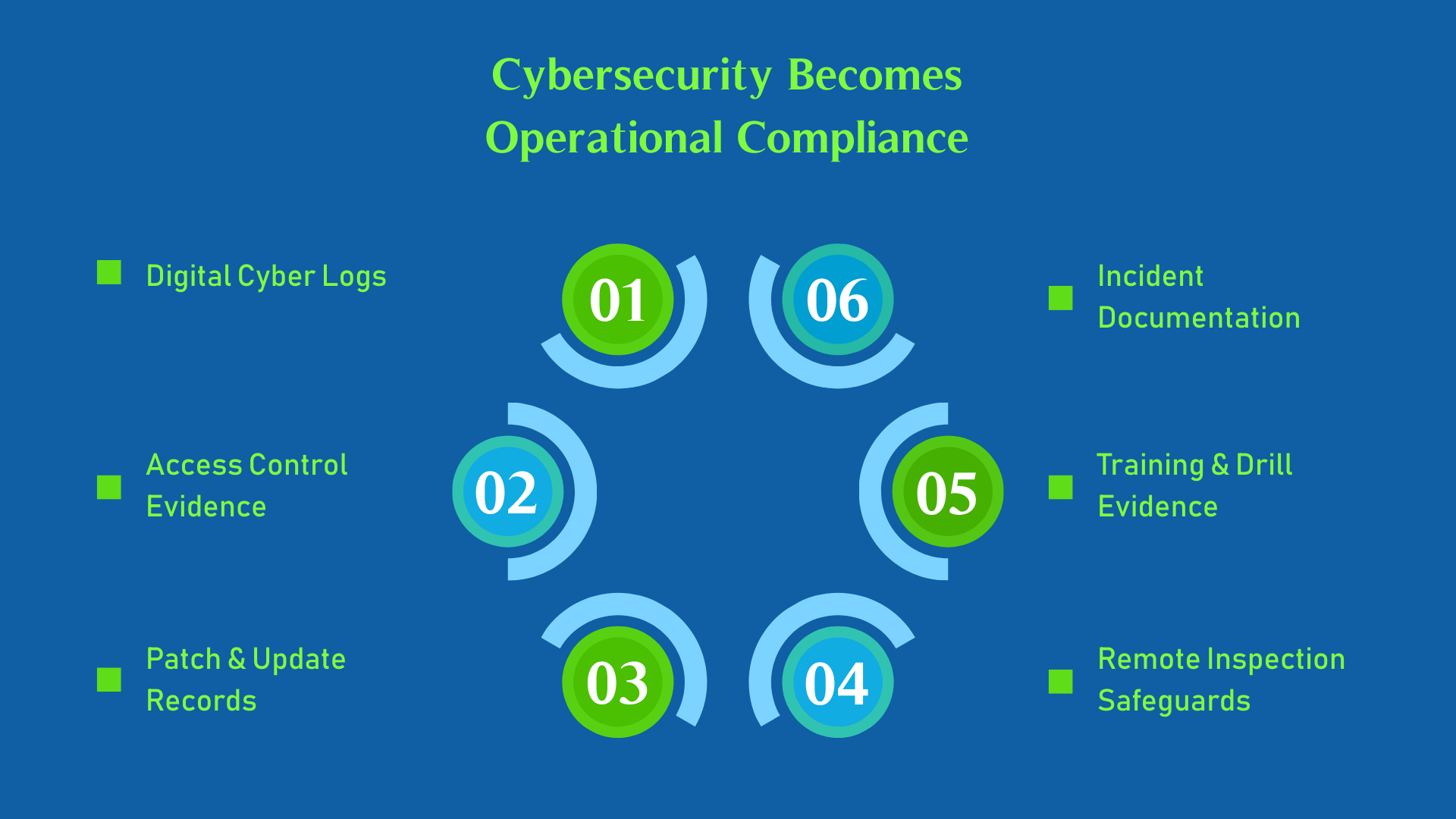
By 2026, the maritime industry will reach a critical inflection point where cybersecurity transitions from a "best practice" to a mandatory pillar of seaworthiness. Stricter enforcement of IMO Resolution MSC.428(98), IACS Unified Requirements (UR) E26 & E27, and USCG regulatory expectations has shifted the burden of proof onto the operator.
Cybersecurity is no longer an isolated IT concern; it is now a core category of operational compliance, directly impacting insurance eligibility, port state control inspections, and chartering reputation.
Fleets are now required to provide verifiable evidence of digital hygiene. This includes:
Digital Cyber Logs: Real-time logging of network activity and unauthorized access attempts.
Access Control Evidence: Proof of Multi-Factor Authentication (MFA) and strict management of privileged user accounts.
Patch & Update Records: Documentation proving that Critical Onboard Systems (OT) and Office Systems (IT) are running current, secure firmware.
Incident Documentation: Detailed "after-action" reports for any detected anomalies or breaches.
Training & Drill Evidence: Records of crew participation in cyber-attack simulations and phishing awareness.
Remote Inspection Safeguards: Secure protocols for allowing class surveyors or technicians to access ship systems via satellite.
As ships integrate complex digital systems to meet compliance targets (such as engine optimization AI and automated fuel monitoring), their "attack surface" expands. Every new sensor or cloud-integrated efficiency tool represents a potential entry point for malicious actors.
Cyber readiness is no longer an optional safety buffer, it is a foundational element of maritime operations that cannot be considered to have a secondary importance.
With IMO Resolution A.1206(34) - Procedures for PSC, 2025 there is a clear shift toward system-based assessment rather than certificate-based inspection to assess the effectiveness of implementation of IMO requirements. PSC behavior is drastically changing.
Inspectors increasingly:
Ask for structured evidence, not narrative explanations
Compare records across systems and time periods
Expect corrective actions to be traceable and closed properly
SIRE 2.0 has accelerated this mindset. It rewards consistency and exposes fragmentation.
We see HSQE teams under pressure not because procedures are missing, but because evidence is scattered, inconsistent, or difficult to defend.
Manual systems don’t fail suddenly. They fail under volume, overlap, and scrutiny.
Every major regulatory category (environmental, cyber, operational) demands more data than ever.
Operators must track:
Fuel types, emissions, consumption patterns
Safety logs, findings, and corrective actions
Inspection evidence for PSC, SIRE 2.0, Flag, and Class
Crew training/competency records
Cybersecurity logs
AI is not a shortcut to compliance, and it does not replace good practices.
But at scale, it supports operation. Used correctly, AI helps HSQE teams by:
Flagging missing or inconsistent data before inspections
Identifying patterns that often lead to PSC findings
Highlighting operational anomalies early
Reducing manual checking and repetitive validation work
What matters is not “using AI”, but using it to support discipline, consistency, and accountability.
Technology does not make a fleet compliant. But it makes non-compliance harder to hide and easier to fix early.
Compliance used to matter commercially only after something went wrong: a detention, a failed vetting, a serious incident. That is no longer the case.
Today, compliance data moves ahead of the vessel.
Charterers, vetting teams, and third-party platforms increasingly see inspection histories, environmental performance indicators, and deficiency patterns before a commercial conversation even starts. This means decisions are often influenced before an HSQE manager is asked to explain anything.
CII is a clear example. It has shifted environmental performance from an internal KPI into a commercial discussion. A vessel’s rating is now questioned during fixture negotiations, not after the voyage. In practice, this means HSQE data directly shapes charter terms, acceptance, or additional scrutiny.
EU ETS has created a similar dynamic. Emissions data is no longer just reported but it has a price. Inconsistent fuel or emissions records do not just raise compliance questions; they create uncertainty around cost allocation. That uncertainty quickly becomes a commercial disadvantage.
Vetting has followed the same path. Under SIRE 2.0, inspection outcomes are more detailed, more comparative, and more persistent. Patterns matter. A fleet with repeated documentation-related observations may still pass individual inspections, but over time it becomes less attractive. Not unsafe, but harder to trust.
This is the real shift: compliance is no longer judged case by case, but in patterns.
And patterns don’t argue back.
For fleets, this means compliance is no longer just a cost of doing business. It has become part of how vessels are filtered, compared, and selected often without direct discussion.
For most fleets, the problem is not lack of intent. It is fragmentation…different systems, folders, emails. When pressure comes teams lose time just trying to assemble a coherent picture.
The starting point is to understand where control actually breaks. Fleets that succeed do not try to “digitize everything” at once. They focus first on areas with the highest inspection and commercial exposure, stabilize those workflows, and then expand. Control comes from sequencing, not speed. That means:
assessing digital maturity honestly;
consolidating fragmented systems;
collecting data in structured and comparable formats;
training crews and office teams on why evidence matters;
building a phased roadmap that reflects operational reality.
Just adapt to regulatory deadlines is not enough. Preparation cannot be postponed until the next rule enters into force.
The biggest risk today is not failing an inspection.
It is believing that the old ways still offer protection.
The fleets that will perform best in 2026 are not those with the most procedures, but those with:
Clear, structured evidence
Connected compliance workflows
Early visibility of risk
And the courage to face gaps before inspectors do
Compliance is no longer about being ready when asked. It is about being ready every day.
And that is a cultural shift, not a software decision. Ready to transform your inspection workflow?
[Explore how NAVIREGO] (https://www.navirego.com/contact) AI-native Inspection Ecosystem helps your team convert inspection reports into real-time insights, performance feedback, and predictive safety intelligence.
Feb 07, 2025 by Vivek Narain
Discover how AI in maritime is revolutionizing the shipping industry, enhancing efficiency, driving sustainability, and preparing businesses for the future.
Feb 20, 2025 by Vivek Narain
Explore AI's role in maritime—predictive maintenance, route optimization, autonomous vessels, and energy management—driving efficiency, safety, and sustainability.
Mar 10, 2025 by Vivek Narain
Improve your vessel’s CII rating by increasing deadweight capacity. A cost-effective, practical approach for shipowners to enhance fuel efficiency and compliance.
Mar 17, 2025 by Vivek Narain
Ensure your fleet complies with the new IP Code by July 2024. Learn key retrofitting steps, safety upgrades, and compliance solutions in this practical guide.
Mar 23, 2025 by Vivek Narain
Discover how AI and GenAI are revolutionizing maritime operations, enhancing efficiency, compliance, and decision-making for a smarter shipping industry.
Apr 02, 2025 by Vivek Narain
Explore AI regulations across the EU, U.S., and China. Learn about compliance, risk frameworks, and business impact in this comparative analysis.
Jun 03, 2025 by Vivek Narain
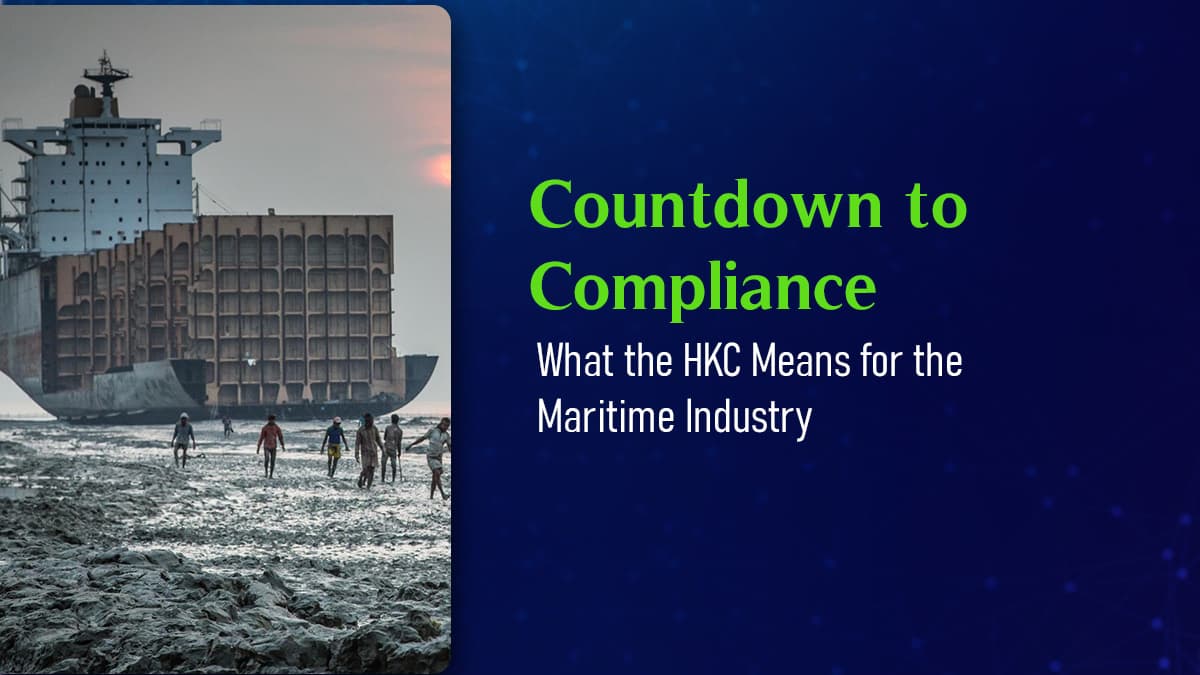
Ensure HKC ship recycling compliance by June 2025. Learn key rules, IHM certification, and how to align with EU SRR and authorized recycling facilities.
Jun 10, 2025 by Vivek Narain
Analyze 2024 Port State Control (PSC) reports across USCG, Paris, Tokyo, India, and Black Sea MOUs. Get data on detentions, top deficiencies, ship types, and compliance risks.
Jun 17, 2025 by Dario Barbaro
Explore how AI agents and agentic workflows differ, with real-world examples from shipping and offshore sectors. Learn their benefits, risks, and future potential.
Jul 30, 2025 by Dario Barbaro
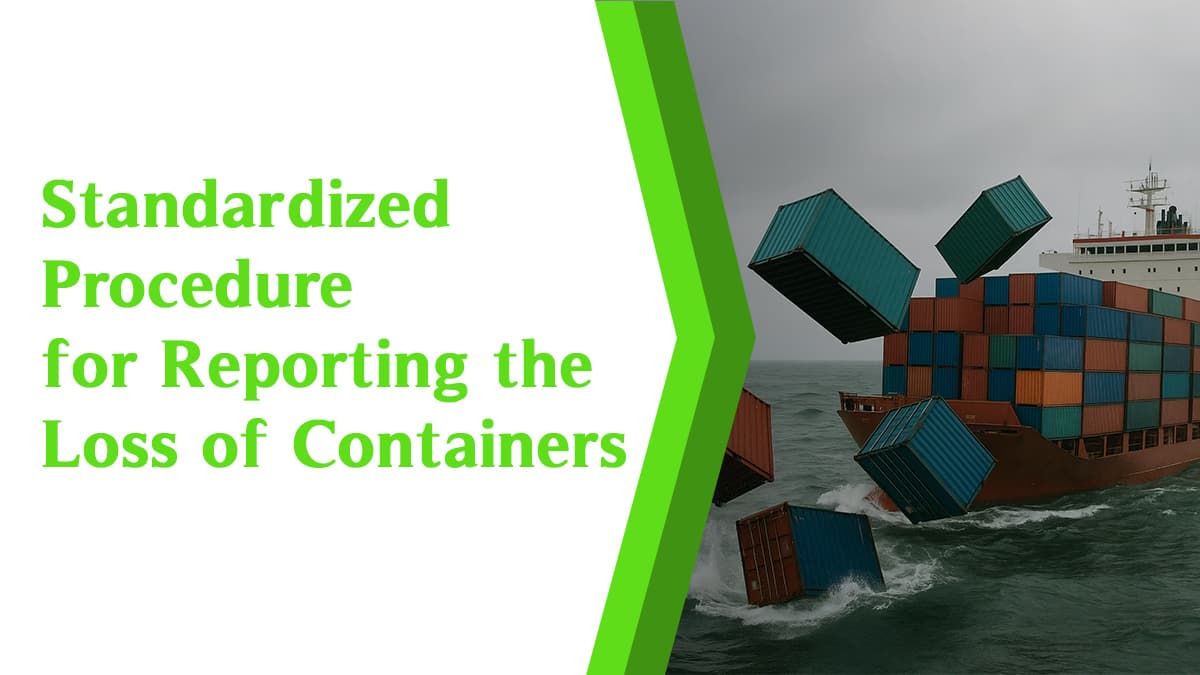
IMO RESOLUTION MSC.550(108) introduces mandatory, standardized reporting for containers lost at sea. Learn what it means for maritime compliance and safety.
Aug 06, 2025 by Dario Barbaro
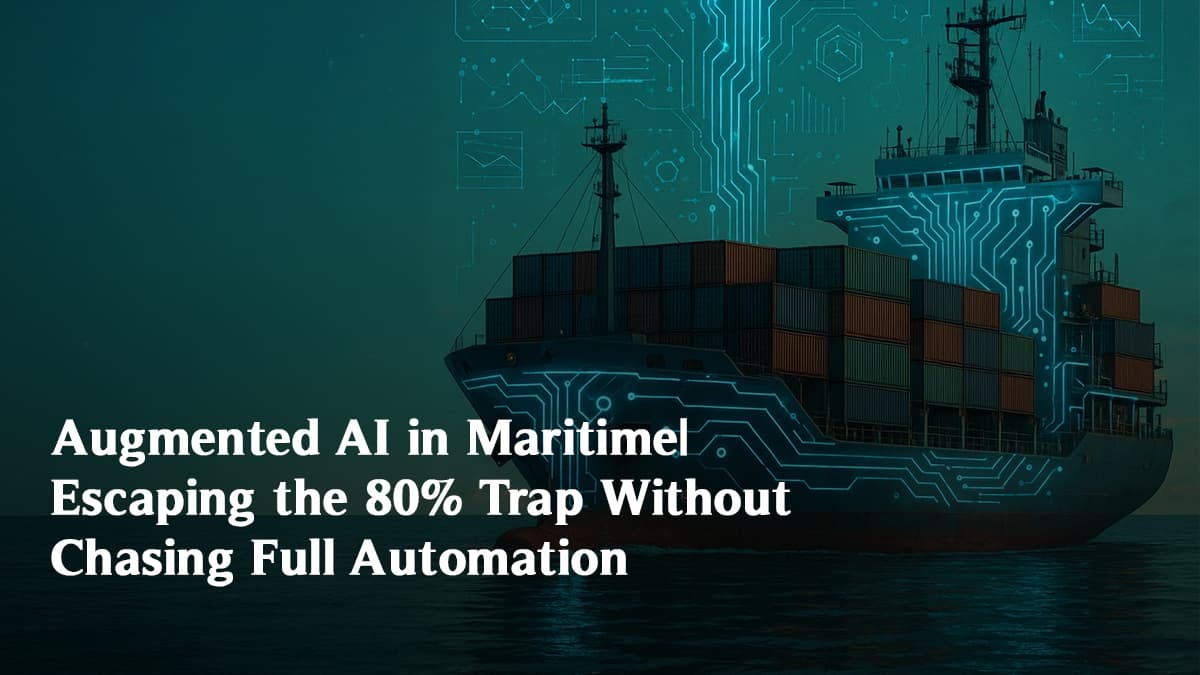
Many maritime teams fall into the 80% trap, pushing AI toward full automation. Discover how Navirego’s augmented AI in maritime empowers professionals without replacing them.
Aug 18, 2025 by Dario Barbaro
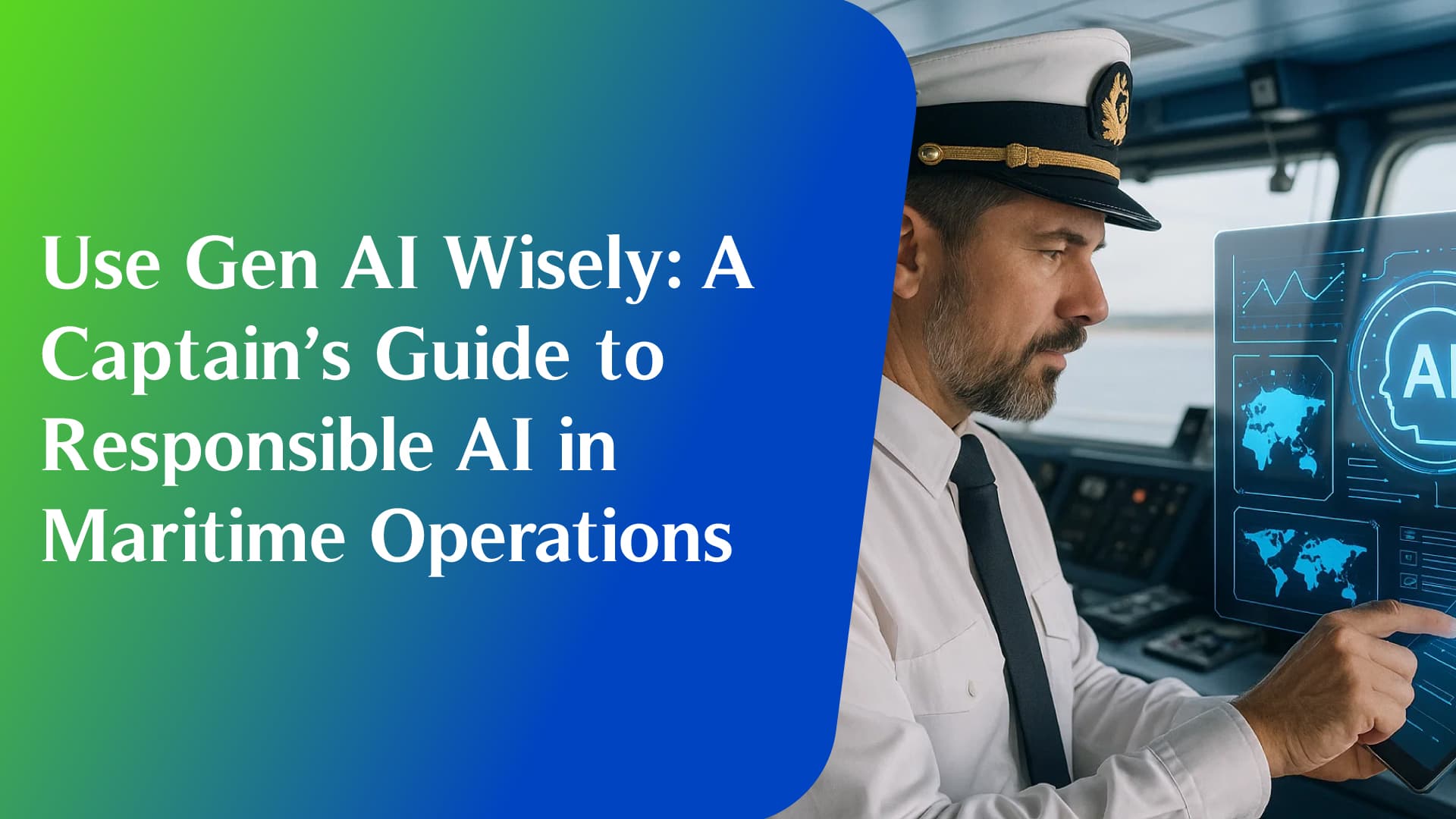
Learn how to use Gen AI in high-stakes maritime operations without compromising safety, accuracy, or control. NAVIREGO shows the way.
Aug 27, 2025 by Dario Barbaro
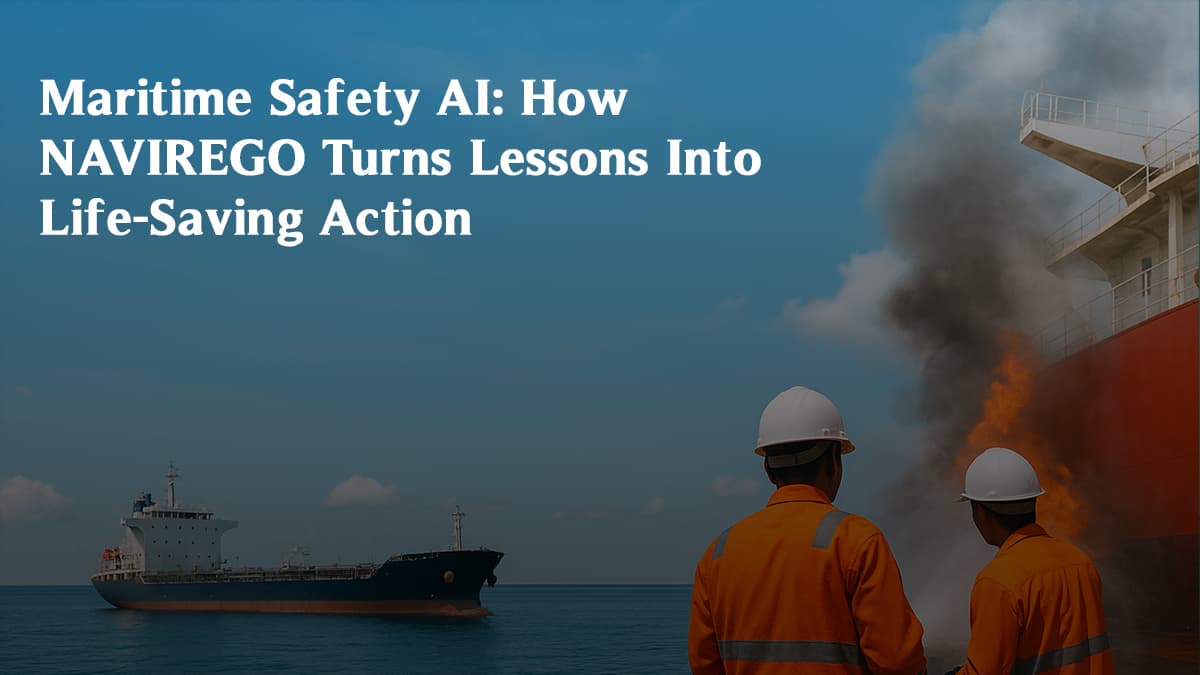
Maritime safety AI can help prevent future incidents by ensuring safety lessons turn into real-time updates and action. Learn how NAVIREGO is driving change.
Sept 08, 2025 by Dario Barbaro
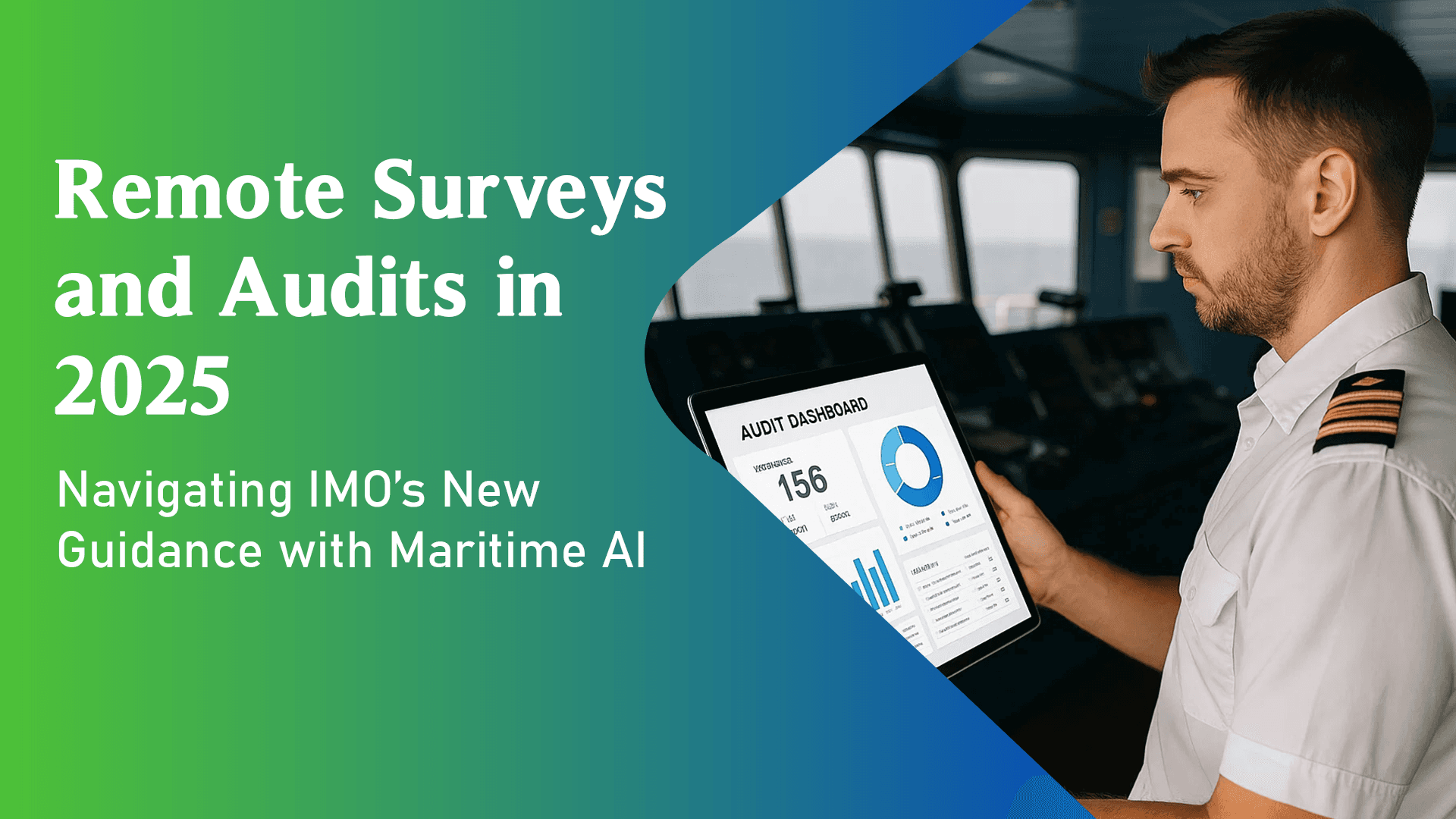
IMO’s 2025 rules limit remote surveys, ISM audits, and ISPS checks. See how NAVIREGO helps fleets stay compliant in a hybrid compliance era.
Sept 09, 2025 by Dario Barbaro
IMO is adding VDES to SOLAS to counter AIS spoofing and improve secure ship-to-shore communication. Learn what this means for shipowners with NAVIREGO.
Sept 11, 2025 by Dario Barbaro
Generative AI in maritime works best with a vertical focus. See how NAVIREGO delivers domain-specific AI for HSQE, compliance, and operations.

Sept 22, 2025 by Dario Barbaro
Did you know LLMs like ChatGPT struggle with numbers? Learn why this matters for data-heavy maritime tasks and how NAVIREGO ensures precision.
Oct 25, 2025 by Dario Barbaro
Discover how AI-assisted regulatory search helps DPAs track rule changes, reduce manual checks, and stay audit-ready with NAVIREGO’s Standard Library.
Nov 21, 2025 by Dario Barbaro
See how NAVIREGO uses NLP and vision AI to extract insights from 1,000+ inspection reports, powering smarter, predictive maritime compliance.
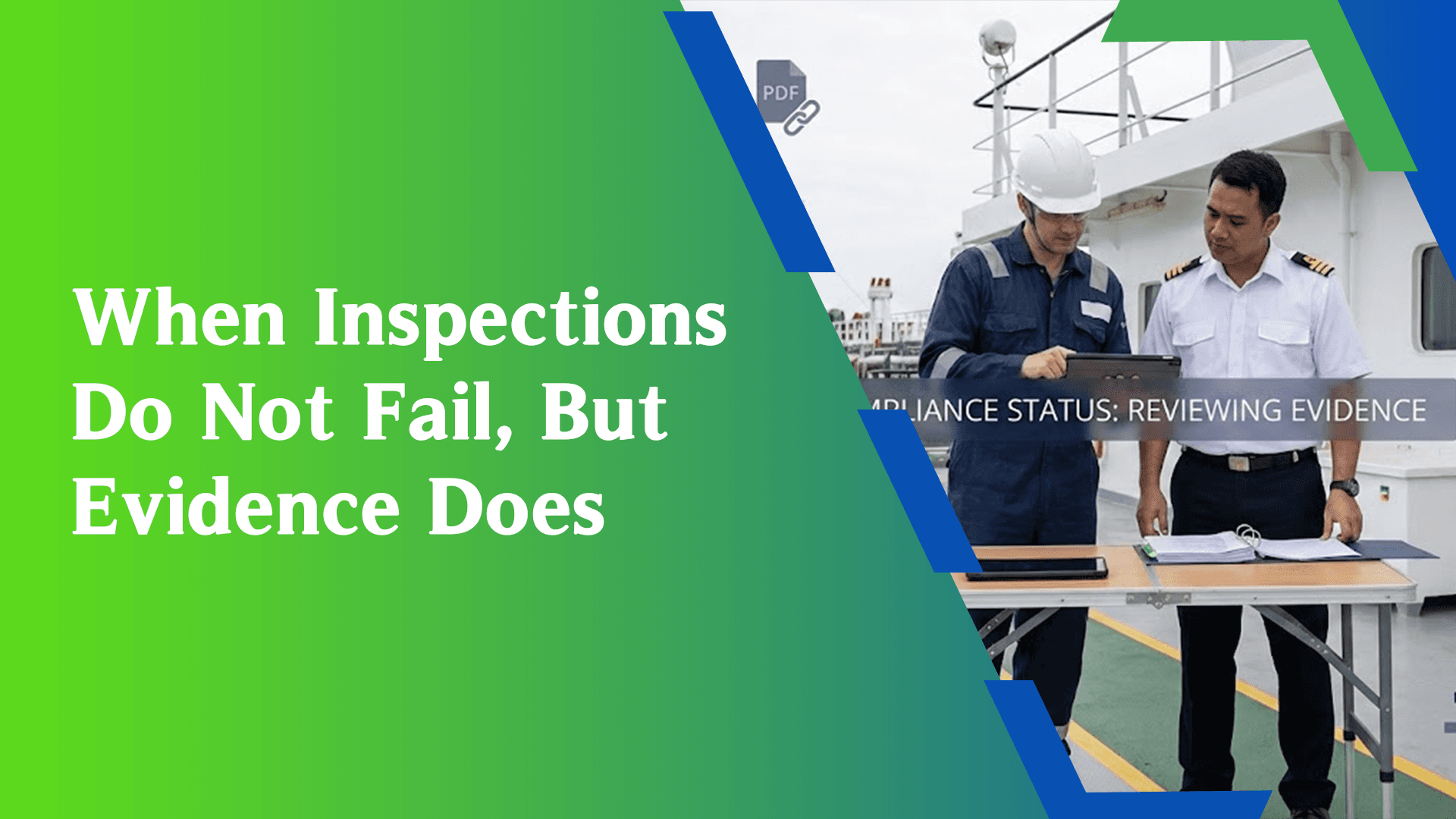
Jan 20, 2026 by Dario Barbaro
A ship inspection report fails when evidence is fragmented. Learn why modern operators must rethink inspection reporting for audits, chartering, and asset decisions.
Feb 23, 2026 by Dario Barbaro
Port State Control inspection trends for 2025—top detention drivers, PSC inspection report risks, and practical steps to avoid failures in 2026 readiness.
Mar 2, 2026 by Dario Barbaro
Explore how international maritime law and regional maritime laws and regulations differ in 2025/2026 across the EU, US, and Asia-Pacific.
May 7, 2026 by Dario Barbaro
** Explore PARIS MoU 2025 data on ship deficiencies and detention risks. Identify high-risk defects, trends, and strategies to avoid PSC detention.

REGD ADDRESS: MR-1, 5th Floor, WIng-A, AltF Statesman House, 148, Barakhamba Road,
Connaught Place, New Delhi - 110001
ADDRESS: Pawla Ponke 84-207 Bojano, Poland
TELEPHONE: +91 835 692 3342
EMAIL: info@navirego.com
About Us
Cognitive Hub
Terms & Conditions
Privacy policy


Home
Industries
Products
Case Studies
NEWSLETTER
Subscribe to our newsletter for regular updates and insights.