

Port State Control inspections are often described as compliance checks. In practice, they are something else entirely. A PSC inspection is a real-time test of whether a vessel’s safety, environmental control, and operational discipline can be proven under pressure.
That is why the patterns observed in 2025 matter.
PSC is backward-looking by nature. Inspectors assess what has already happened and what the ship can demonstrate through evidence, records, and crew performance. But the deficiencies and detentions recorded in 2025 reveal structural weaknesses that go far beyond individual ships or isolated failures.
In other words: 2025 PSC trends are lessons, not predictions. But the fleets that fail to learn from those lessons tend to see the same types of findings repeat across multiple calls.
With the adoption of IMO Resolution A.1206(34) Procedures for Port State Control, 2025, increased emphasis has been placed on several key areas:
This shift happened alongside stronger targeting models: PSC regimes increased their reliance on risk profiles and historical performance data, meaning one weak PSC inspection report may influence inspection frequency and depth.
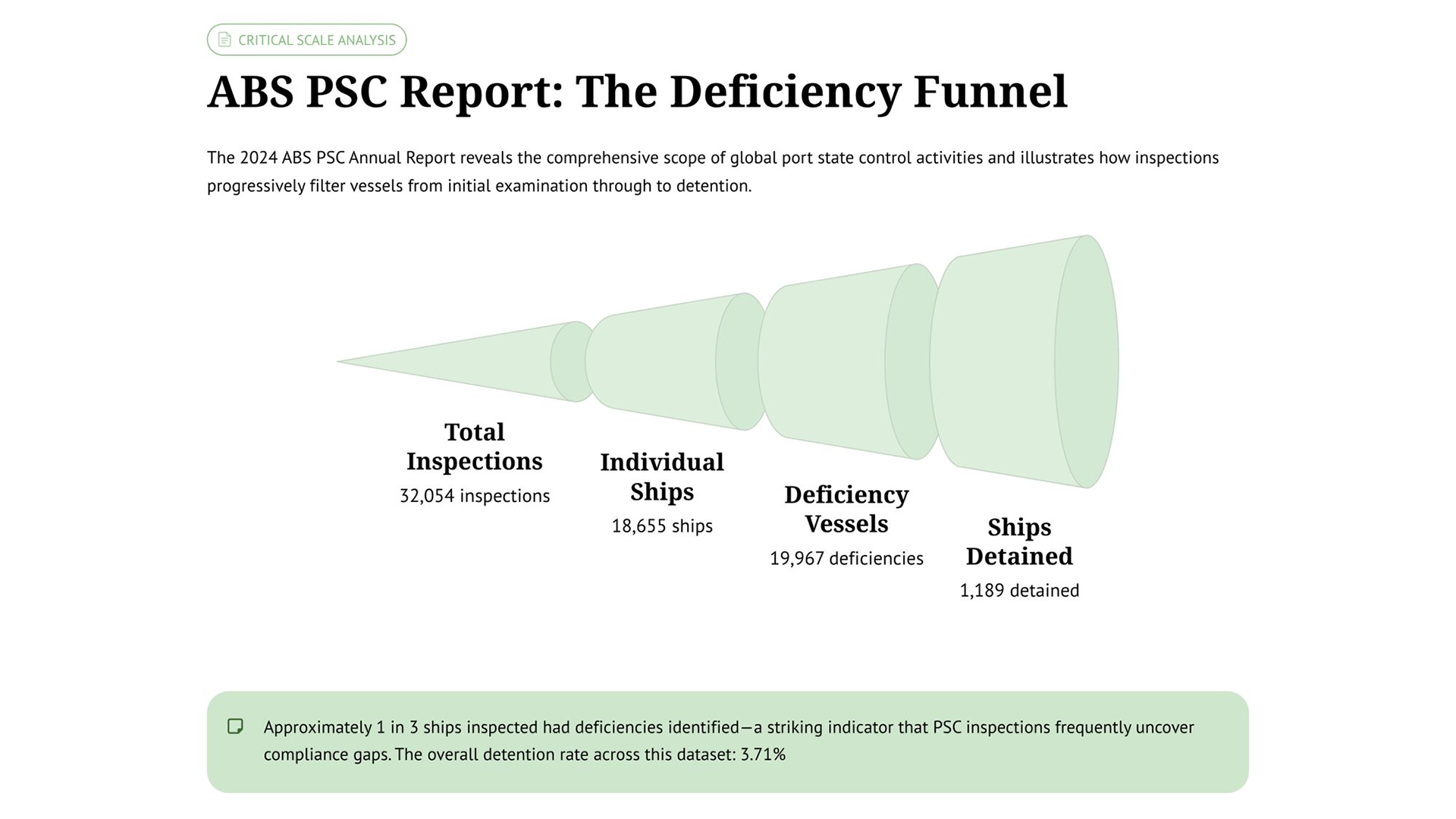
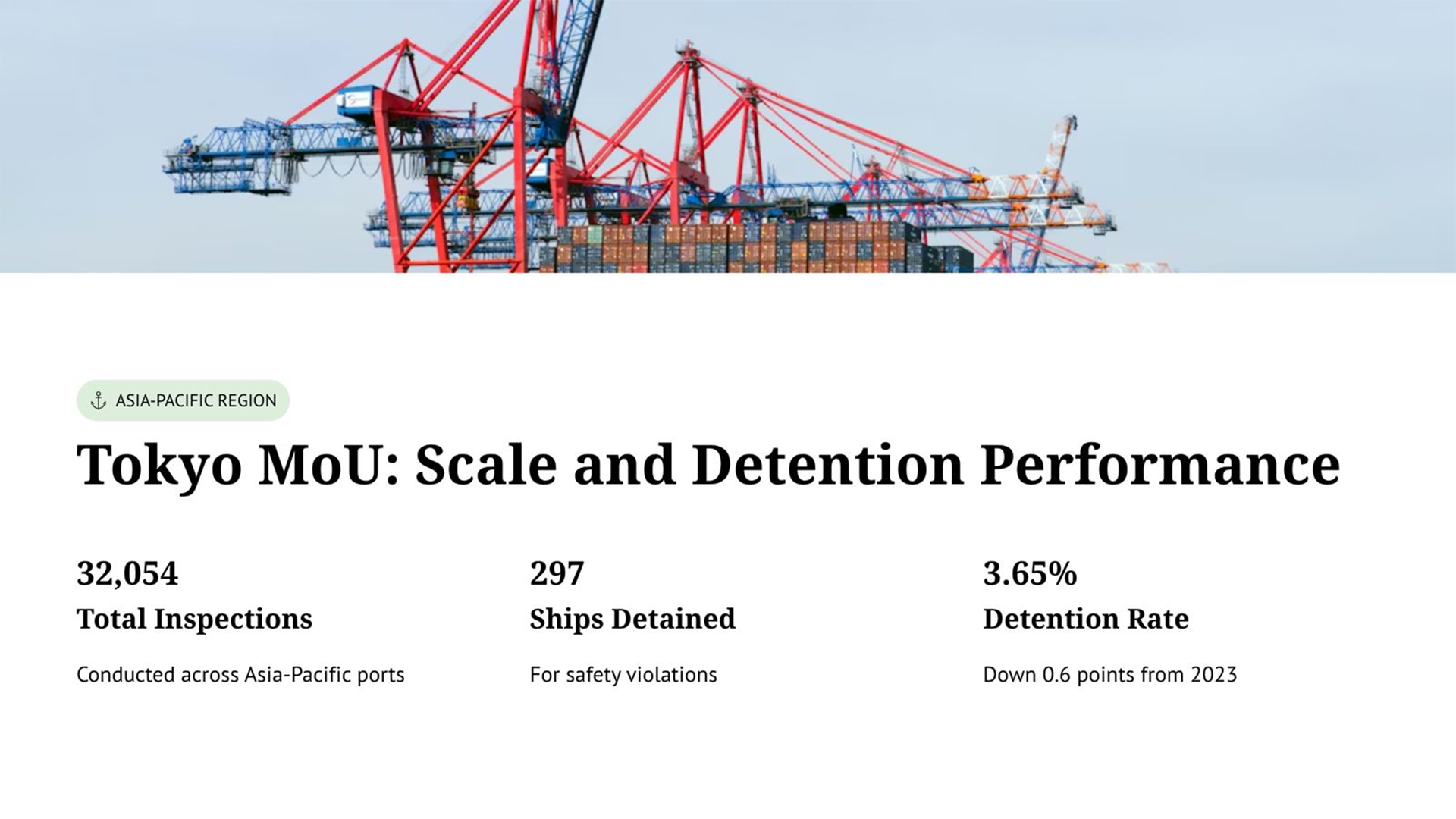
PSC regimes are operating at massive scale. Tokyo MoU alone recorded 32,054 inspections, resulting in 297 detentions and an overall detention rate of 3.65% — reinforcing that PSC enforcement is both frequent and statistically meaningful for operators.
One of the clearest trends in 2025 was that PSC inspections became more consistent and more operationally focused. Inspectors across regions applied similar logic and focused on operational credibility rather than formal completeness.
PSC officers increasingly examined MARPOL compliance through evidence consistency:
Industry PSC reporting supports the scale and frequency of deficiencies. According to latest ABS PSC reporting:
This highlights a critical truth for operators: deficiencies are not exceptional, they are widespread, and detentions remain a real probability where operational evidence is weak.
Ships using e-certificates experienced tighter scrutiny, including:
Cybersecurity entered PSC inspections in a limited but noticeable way:
While PSC is not a cyber audit, inspectors increasingly treated cyber posture as part of a vessel’s operational discipline.
ISM moved to behavior-based assessment:
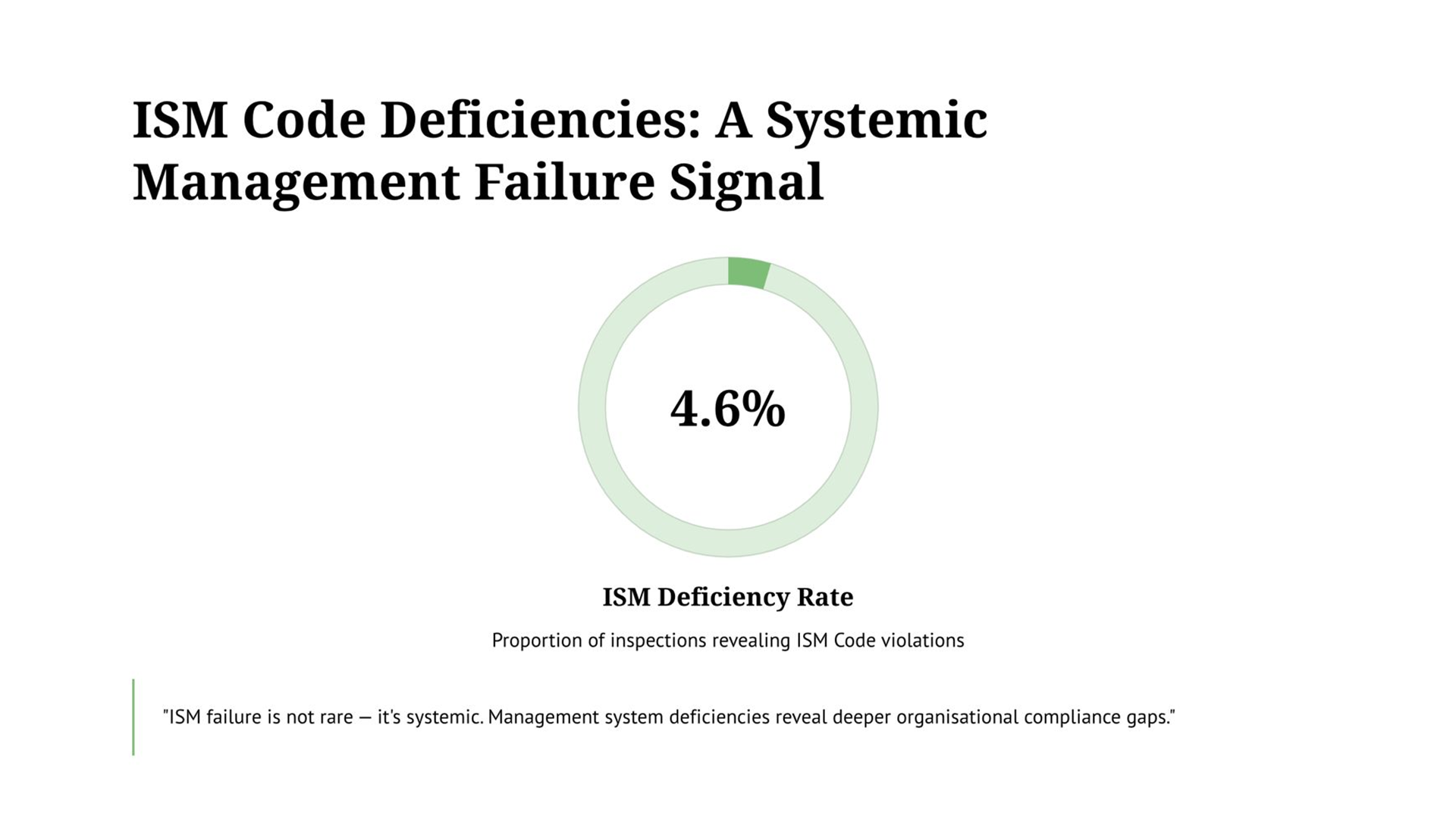
Paris MoU recorded ISM Code deficiencies in 4.6% of cases, reinforcing that ISM deficiencies are measurable and persistent. In practical terms: weak drills, weak corrective actions, and inconsistent evidence are increasingly treated as indicators of systemic failure.
Targeting models increasingly prioritized:
Operators with inconsistent PSC histories faced higher inspection intensity and more frequent escalation into expanded inspections.
Paris MoU inspection patterns continued to highlight:
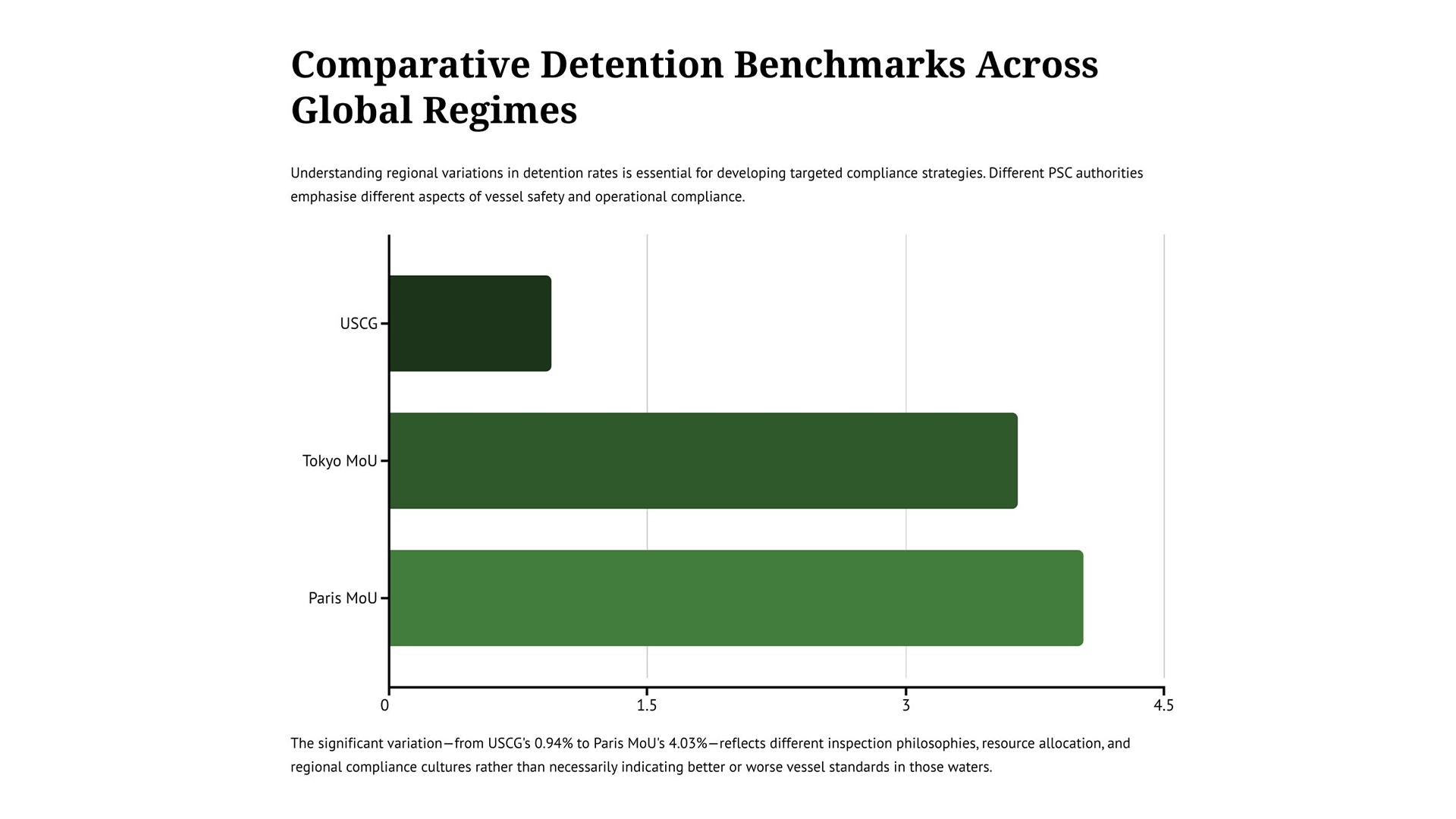
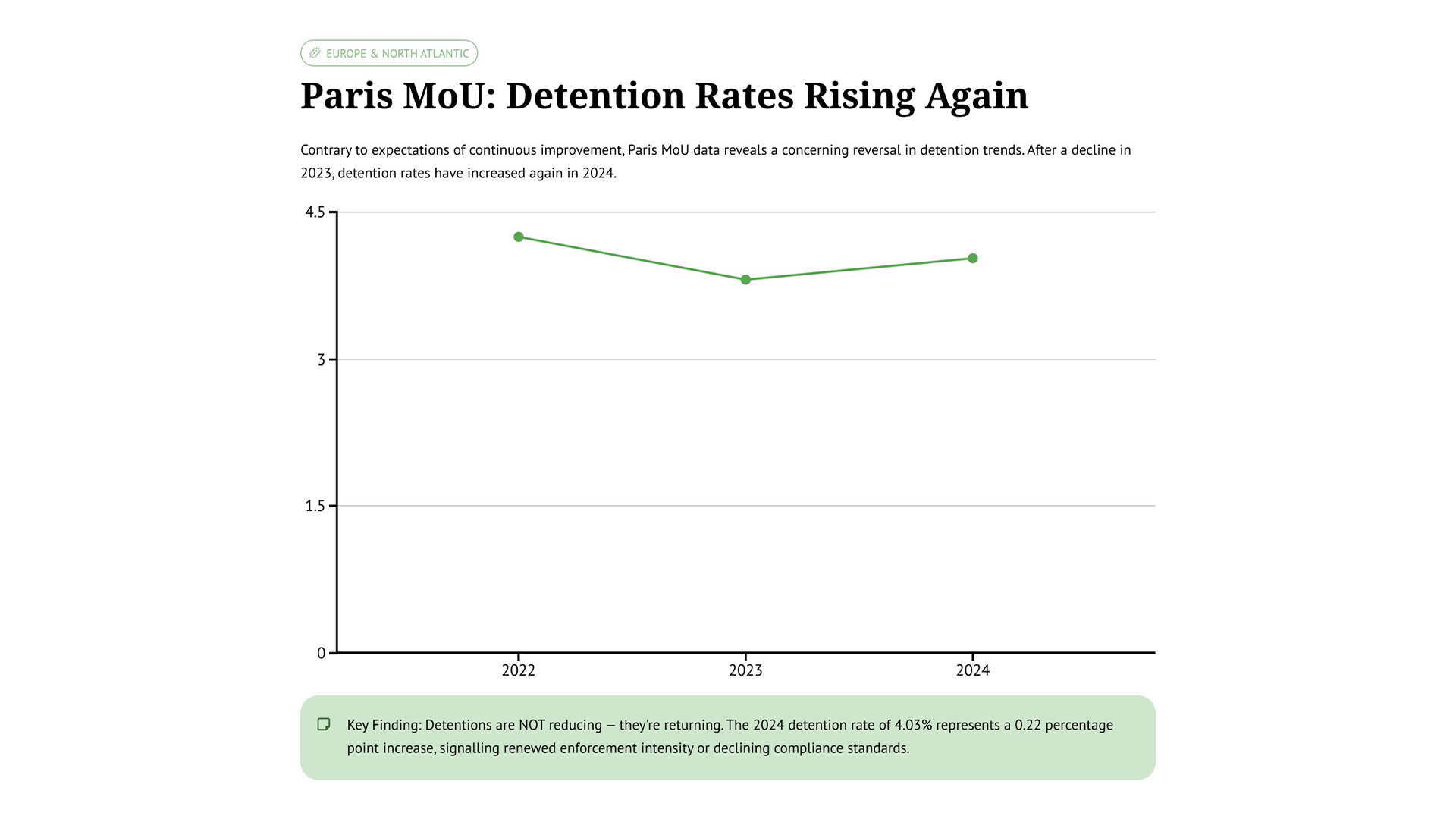
Paris MoU detention performance remains consistent at around 4%. The detention rate was 4.03% in 2024, up from 3.81% in 2023, indicating detentions are not decreasing over time, they remain structurally embedded in the compliance landscape.
Tokyo MoU inspection reporting shows major deficiency weight in:
Tokyo MoU reported 297 detentions and an overall detention rate of 3.65%, emphasizing that detention probability remains significant across Asia-Pacific trade.
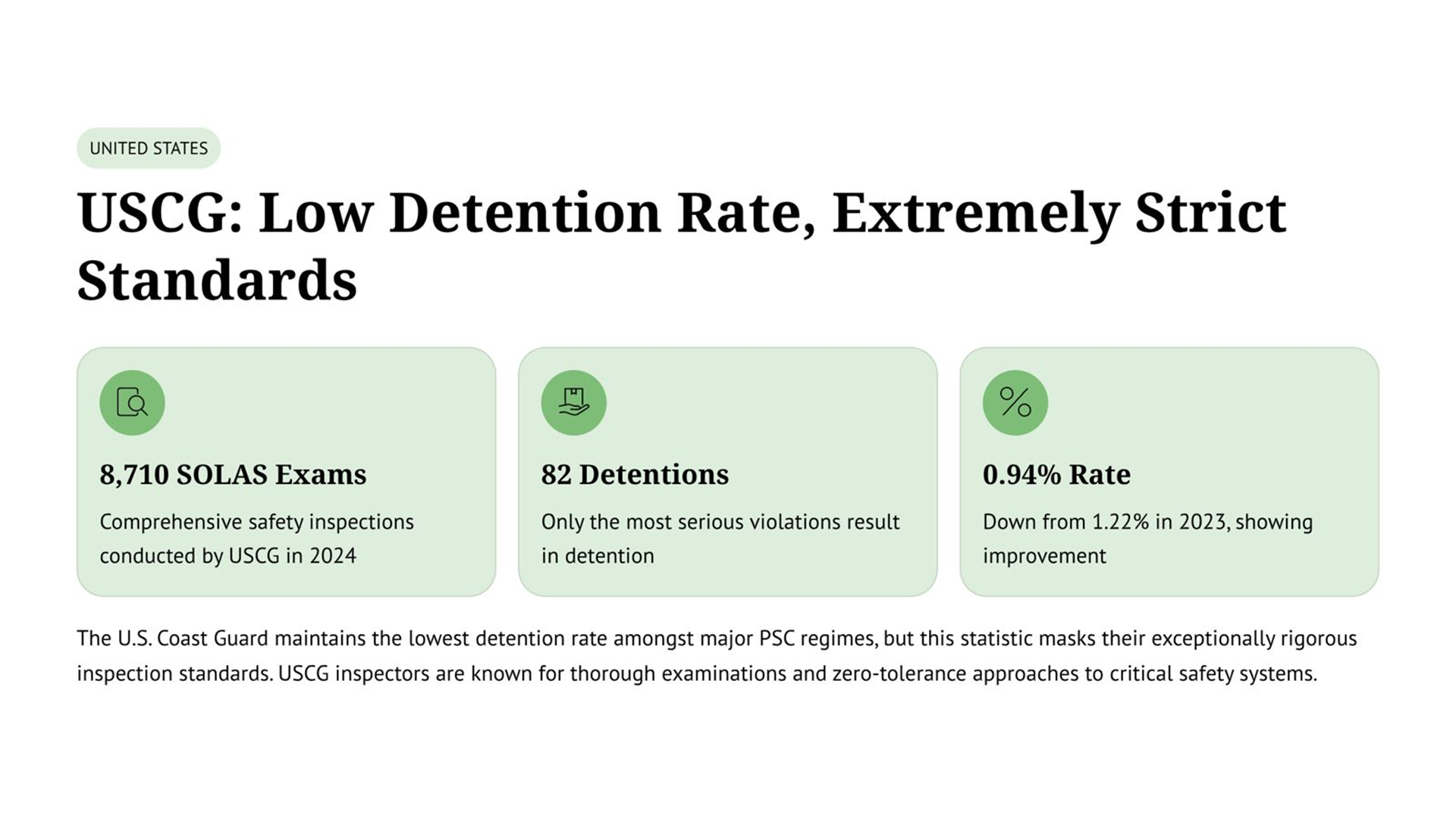
USCG PSC is known for strict evidence-based inspection behavior and operational control scrutiny.
USCG performed 8,710 SOLAS safety exams and recorded 82 detentions, producing a detention ratio of 0.94% (down from 1.22% in 2023). While the ratio is lower compared to certain MoUs, the inspection model remains intensive and strongly competency-driven.
Image-6
Despite regulatory evolution, the most common deficiencies remained consistent — because they stem from systemic operational weaknesses rather than one-off technical problems.
PSC detentions in 2025 continued to concentrate in high-consequence categories:
These patterns align strongly with inspection focus across major regimes.
Image-7
Fire safety remains among the most detention-linked categories globally because it has:
Paris MoU’s updated deficiency code structure (July 2025 update) defines fire safety failures in granular terms such as:
Common fire detention triggers in 2025 included:
Fire safety failures are rarely treated as isolated incidents. They are interpreted as evidence gaps in maintenance and operational discipline.
Emergency systems failures remain highly detention-prone because emergency readiness is binary: it works, or it doesn’t.
Common deficiencies included:
ISM deficiencies increasingly shaped inspection outcomes in 2025. ISM wasn’t seen as a compliance binder, rather it was treated as evidence of operational leadership.
Common ISM breakdown patterns included:
Paris MoU’s measurement of ISM deficiencies (4.6% of cases) reinforces that ISM implementation remains a continuous inspection priority.
Environmental compliance moved closer to operational verification. Inspectors increasingly relied on cross-checking records rather than relying on declarations.
High-frequency issues included:
In 2025, Annex VI detentions were often triggered not by obvious non-compliance, but by inconsistency where documentation did not match onboard operational evidence.
ORB inconsistencies remain a classic finding.
Common deficiency themes:
Record integrity issues damage vessel credibility and often lead to inspection escalation.
Machinery deficiencies remain among the most recurring categories because they expose maintenance discipline weaknesses.
Common issues included:
Machinery problems rarely become detentions when they are isolated and well-managed. They become detentions when inspectors see a pattern of poor maintenance execution and weak operational control.
Navigation compliance in 2025 increasingly depended on proof of competence.
Common bridge deficiencies included:
For PSC inspectors, bridge performance is not theoretical, it is validated through real-time questioning and demonstration.
Documentation deficiencies remain underestimated, but they are still high in number.
Common documentation deficiencies included:
PSC detentions are often treated as isolated equipment failures. However, inspection trends observed during 2025 increasingly suggest that a significant proportion of detentions were associated with systemic and operational control weaknesses rather than single technical defects.
Internal audits in many cases did not sufficiently test inspection-level robustness, focusing on checklist completion rather than verification of operational behavior, record consistency, and crew demonstration capability. no random sampling
When logs, certificates, evidence, drill records exist across separate systems but crew is not familiar, crews lose time, and inspectors lose confidence.
Crew transitions often caused “demonstration weakness”, the ship may be compliant, but the crew could not demonstrate compliance effectively.
Routine drills without challenge conditions leave crews unprepared for:
CARs were often raised but not closed with evidence-based closure. This indicates weak safety culture and poor operational discipline, two major PSC escalation triggers.
Inspection behavior followed by PSCO is following a structured logic:
Routine inspection → inconsistency detected → expanded inspection → detention risk
Inspectors do not look just for defects. They look for evidence integrity and operational credibility.
If a ship fails in the first 30 minutes, the inspection typically escalates. Inspectors often began with:
This early-stage behavior is critical: it determines whether the ship is classified as controlled and credible or inconsistent and escalation-worthy.
High-performing operators didn’t “prepare for PSC.” They engineered continuous readiness.
Operators used standardized and repeatable checklists aligned with PSC deficiency categories. Sometimes, customized to take into consideration specific PSC behavior in specific areas/ports.
Fleet standardization reduced variability and improved ship-to-ship readiness consistency.
Strong fleets developed evidence packs showing:
Successful drills weren’t recorded as “performed.” They were recorded with:
High-performing fleets treated corrective actions like operational finance with review rhythm and closure accountability. Not surface level analysis.
The most important lesson of 2025 is simple:
PSC detentions are predictable.
They are the outcome of weak operational discipline, weak evidence integrity, and inconsistent readiness, rarely sudden failure.
What 2025 revealed clearly:
PSC in 2026 will not become easier. It will become more consistent, more data-driven, and more proof-based.
If operators treat every PSC inspection report as a diagnostic tool and use 2025 trends to fix structural weaknesses, 2026 inspections become manageable. Routine events rather than detention risks.
What is a Port State Control (PSC) inspection?
A Port State Control inspection is a compliance examination conducted by a country’s maritime authority to verify that a visiting vessel meets international safety, environmental, and operational standards. Inspectors assess certificates, crew competence, emergency readiness, machinery condition, and record integrity. If serious deficiencies are found, the vessel may be detained until corrective action is verified.
PSC detentions most commonly result from high-risk deficiencies such as fire safety failures, emergency system malfunctions, ISM implementation gaps, MARPOL documentation inconsistencies, and serious navigation deficiencies. Detentions are rarely caused by isolated minor defects; they usually reflect systemic weaknesses in operational discipline or evidence integrity.
A PSC inspection report contributes to a vessel’s and operator’s risk profile within MoU targeting systems. Repeated deficiencies, detention history, or evidence inconsistencies can increase inspection frequency and depth in future port calls. Strong PSC inspection reports, on the other hand, support reduced targeting and improved compliance reputation.
Cruise ship inspection reports follow the same regulatory framework but often receive additional scrutiny due to passenger safety considerations. Inspectors may place greater emphasis on lifesaving appliances, fire safety systems, evacuation procedures, and crew competency demonstrations given the higher consequence environment.
Operators reduce detention risk by standardizing internal inspections, strengthening corrective action discipline, ensuring documentation consistency across logs and certificates, conducting realistic drills, and treating every PSC inspection report as a learning tool rather than a one-time compliance event. Continuous readiness not last-minute preparation is the most effective detention prevention strategy.
Port State Control inspections are not random events they follow patterns. The fleets that analyze those patterns early reduce detention exposure significantly. If your organization wants to turn every PSC inspection report into structured insight, strengthen evidence integrity across vessels, and build continuous inspection readiness for 2026, Navirego can help you operationalize that shift. Book a 15-minute walkthrough to see how structured inspection intelligence improves real-world PSC outcomes. [Explore how NAVIREGO] (https://www.navirego.com/contact) AI-native Inspection Ecosystem helps your team convert inspection reports into real-time insights, performance feedback, and predictive safety intelligence.
Feb 07, 2025 by Vivek Narain
Discover how AI in maritime is revolutionizing the shipping industry, enhancing efficiency, driving sustainability, and preparing businesses for the future.
Feb 20, 2025 by Vivek Narain
Explore AI's role in maritime—predictive maintenance, route optimization, autonomous vessels, and energy management—driving efficiency, safety, and sustainability.
Mar 10, 2025 by Vivek Narain
Improve your vessel’s CII rating by increasing deadweight capacity. A cost-effective, practical approach for shipowners to enhance fuel efficiency and compliance.

Mar 17, 2025 by Vivek Narain
Ensure your fleet complies with the new IP Code by July 2024. Learn key retrofitting steps, safety upgrades, and compliance solutions in this practical guide.
Mar 23, 2025 by Vivek Narain
Discover how AI and GenAI are revolutionizing maritime operations, enhancing efficiency, compliance, and decision-making for a smarter shipping industry.
Apr 02, 2025 by Vivek Narain
Explore AI regulations across the EU, U.S., and China. Learn about compliance, risk frameworks, and business impact in this comparative analysis.
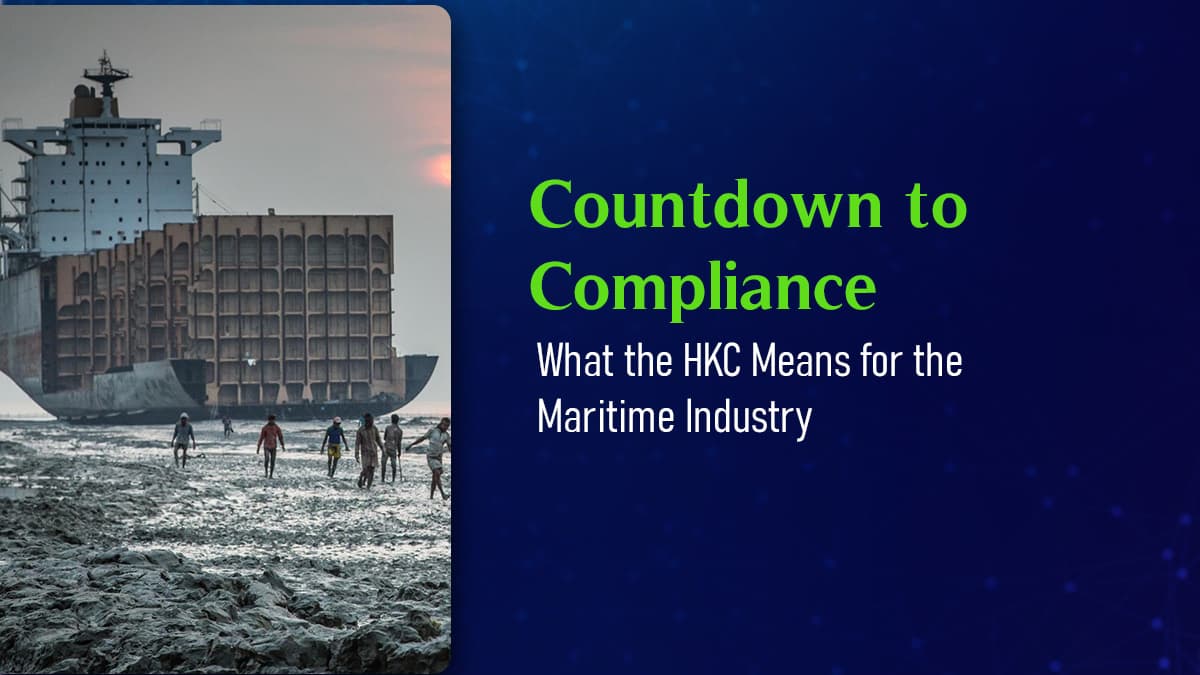
Jun 03, 2025 by Vivek Narain
Ensure HKC ship recycling compliance by June 2025. Learn key rules, IHM certification, and how to align with EU SRR and authorized recycling facilities.
Jun 10, 2025 by Vivek Narain
Analyze 2024 Port State Control (PSC) reports across USCG, Paris, Tokyo, India, and Black Sea MOUs. Get data on detentions, top deficiencies, ship types, and compliance risks.

Jun 17, 2025 by Dario Barbaro
Explore how AI agents and agentic workflows differ, with real-world examples from shipping and offshore sectors. Learn their benefits, risks, and future potential.
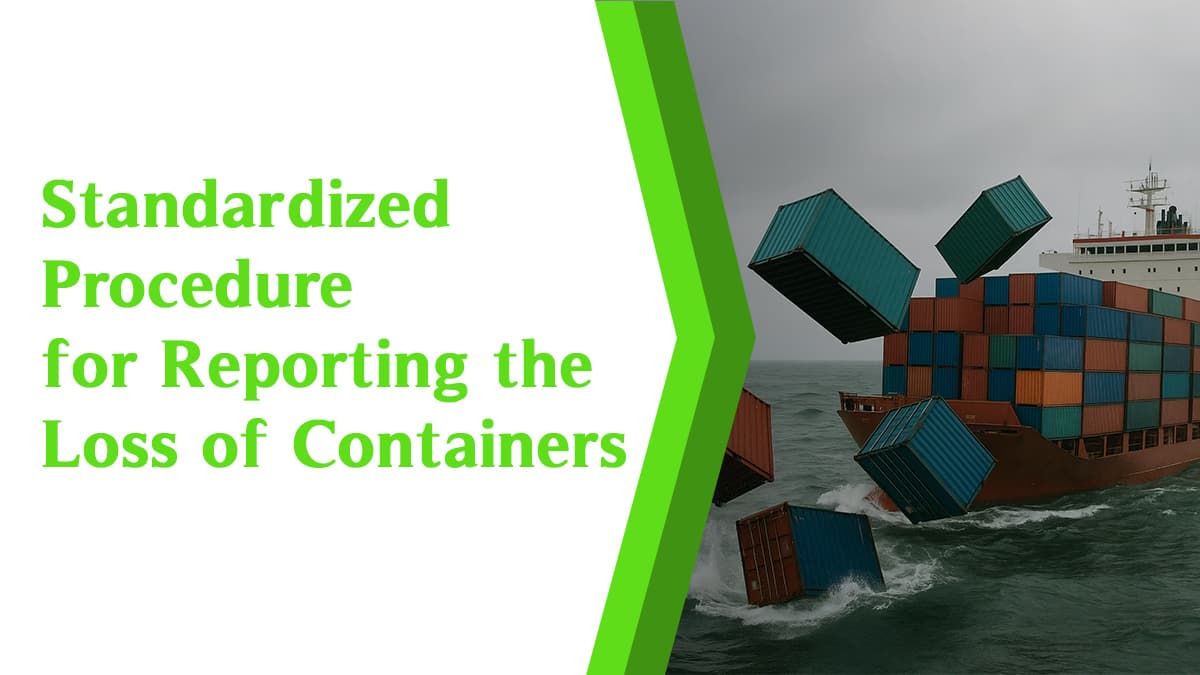
Jul 30, 2025 by Dario Barbaro
IMO RESOLUTION MSC.550(108) introduces mandatory, standardized reporting for containers lost at sea. Learn what it means for maritime compliance and safety.
Aug 06, 2025 by Dario Barbaro
Many maritime teams fall into the 80% trap, pushing AI toward full automation. Discover how Navirego’s augmented AI in maritime empowers professionals without replacing them.
Aug 18, 2025 by Dario Barbaro
Learn how to use Gen AI in high-stakes maritime operations without compromising safety, accuracy, or control. NAVIREGO shows the way.
Aug 27, 2025 by Dario Barbaro
Maritime safety AI can help prevent future incidents by ensuring safety lessons turn into real-time updates and action. Learn how NAVIREGO is driving change.
Sept 08, 2025 by Dario Barbaro
IMO’s 2025 rules limit remote surveys, ISM audits, and ISPS checks. See how NAVIREGO helps fleets stay compliant in a hybrid compliance era.
Sept 09, 2025 by Dario Barbaro
IMO is adding VDES to SOLAS to counter AIS spoofing and improve secure ship-to-shore communication. Learn what this means for shipowners with NAVIREGO.
Sept 11, 2025 by Dario Barbaro
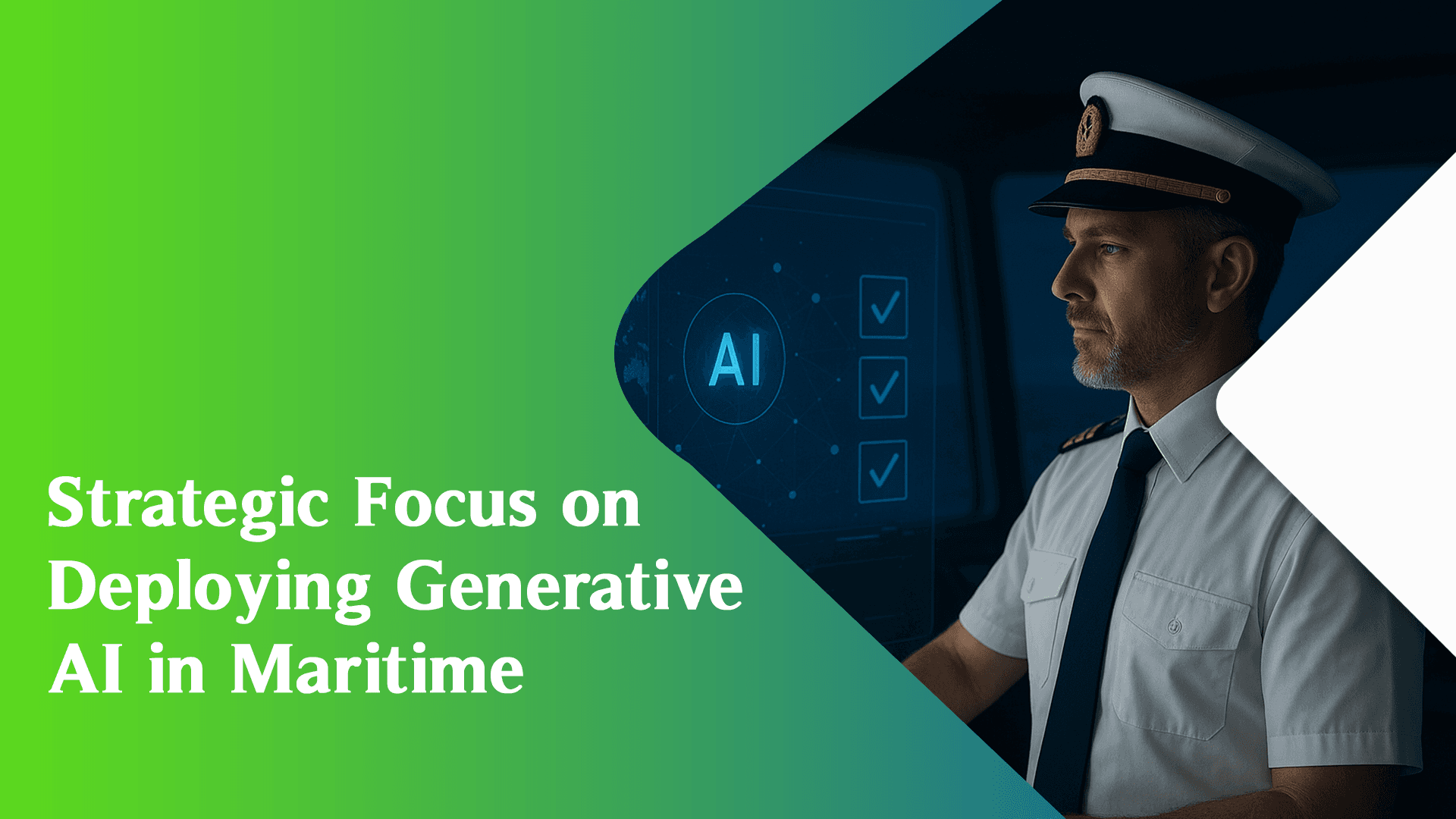
Generative AI in maritime works best with a vertical focus. See how NAVIREGO delivers domain-specific AI for HSQE, compliance, and operations.

Sept 22, 2025 by Dario Barbaro
Did you know LLMs like ChatGPT struggle with numbers? Learn why this matters for data-heavy maritime tasks and how NAVIREGO ensures precision.
Oct 25, 2025 by Dario Barbaro
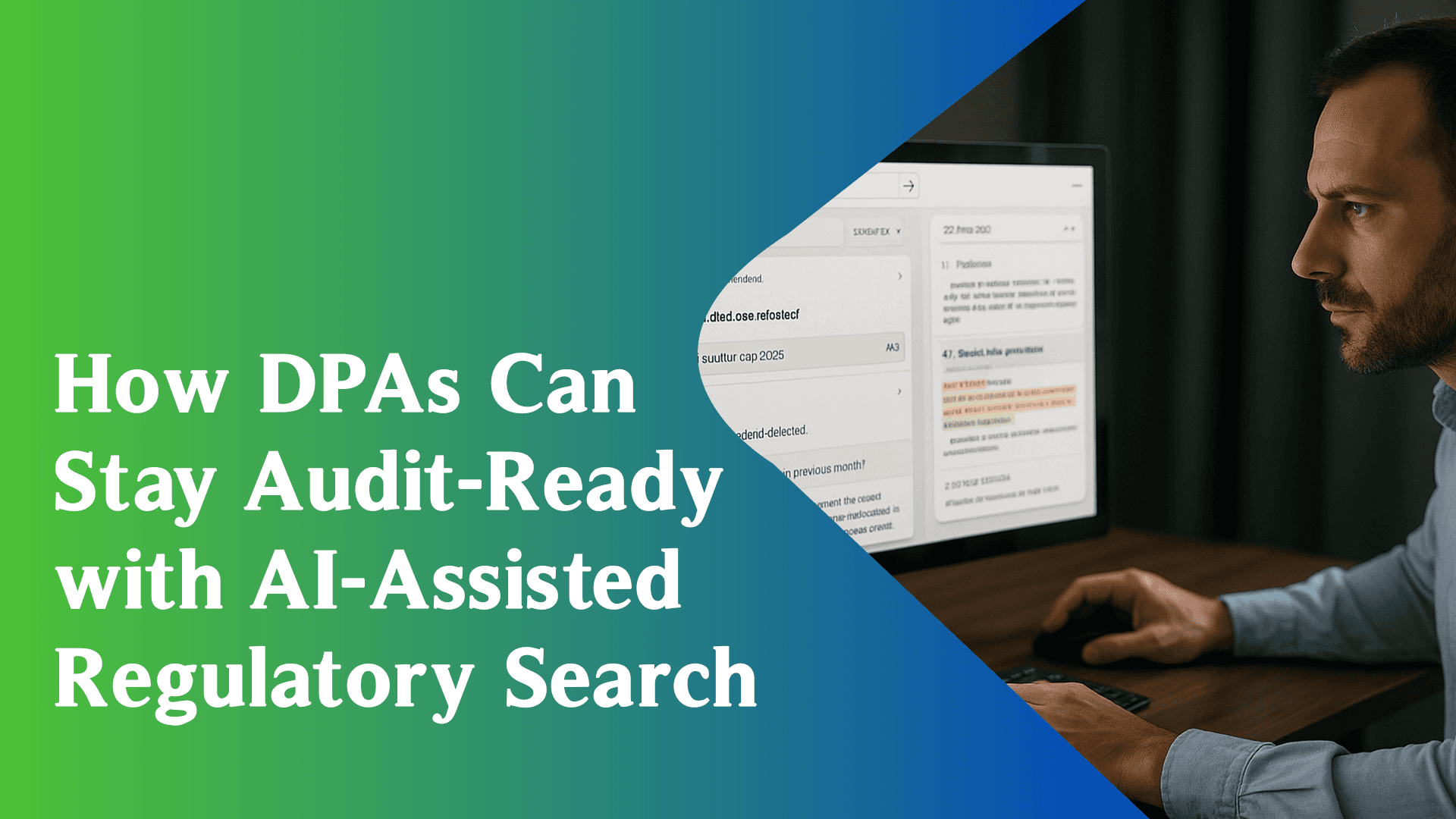
Discover how AI-assisted regulatory search helps DPAs track rule changes, reduce manual checks, and stay audit-ready with NAVIREGO’s Standard Library.
Nov 21, 2025 by Dario Barbaro
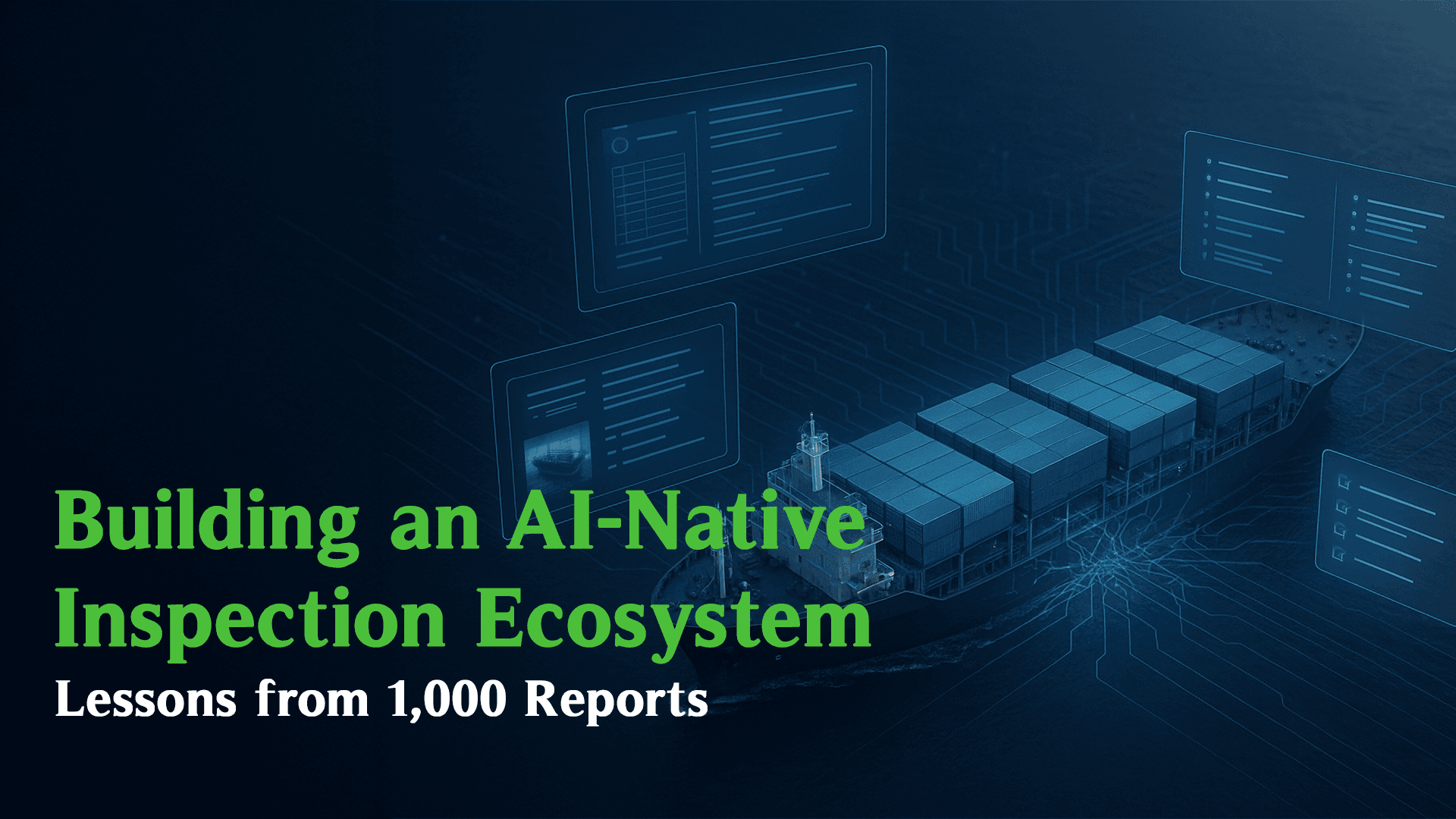
See how NAVIREGO uses NLP and vision AI to extract insights from 1,000+ inspection reports, powering smarter, predictive maritime compliance.
Dec 30, 2025 by Dario Barbaro
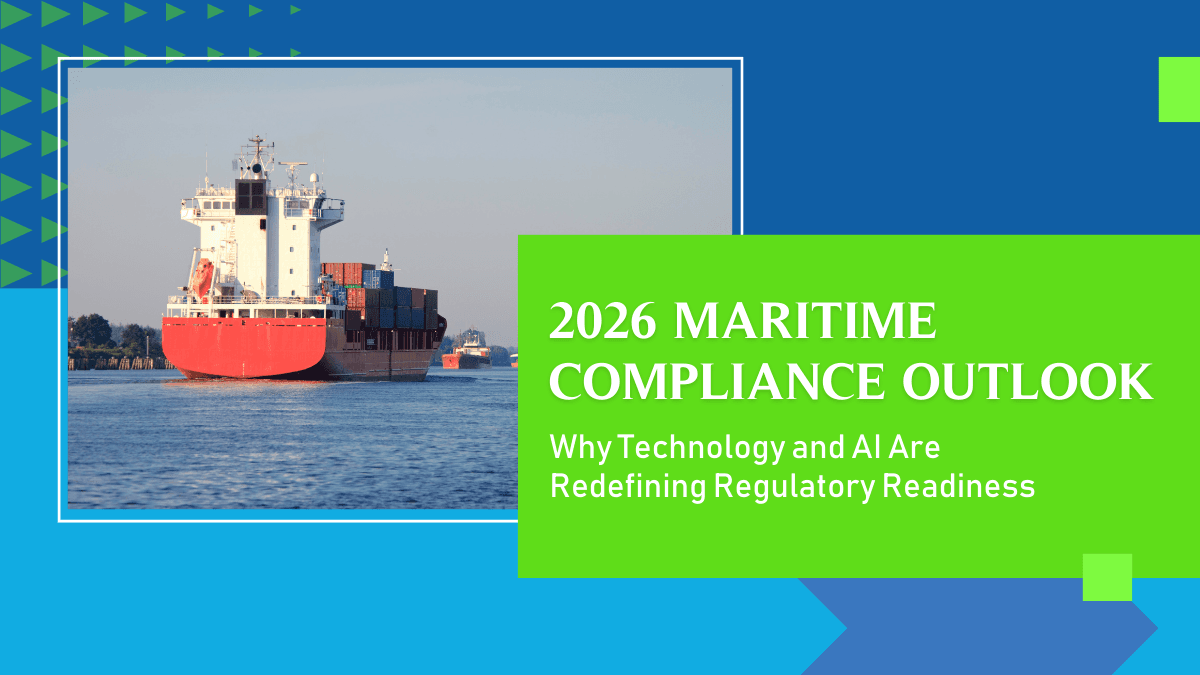
Explore how maritime environmental regulations are evolving by 2026 and how technology and AI are reshaping compliance, inspections, and regulatory readiness.
Jan 20, 2026 by Dario Barbaro
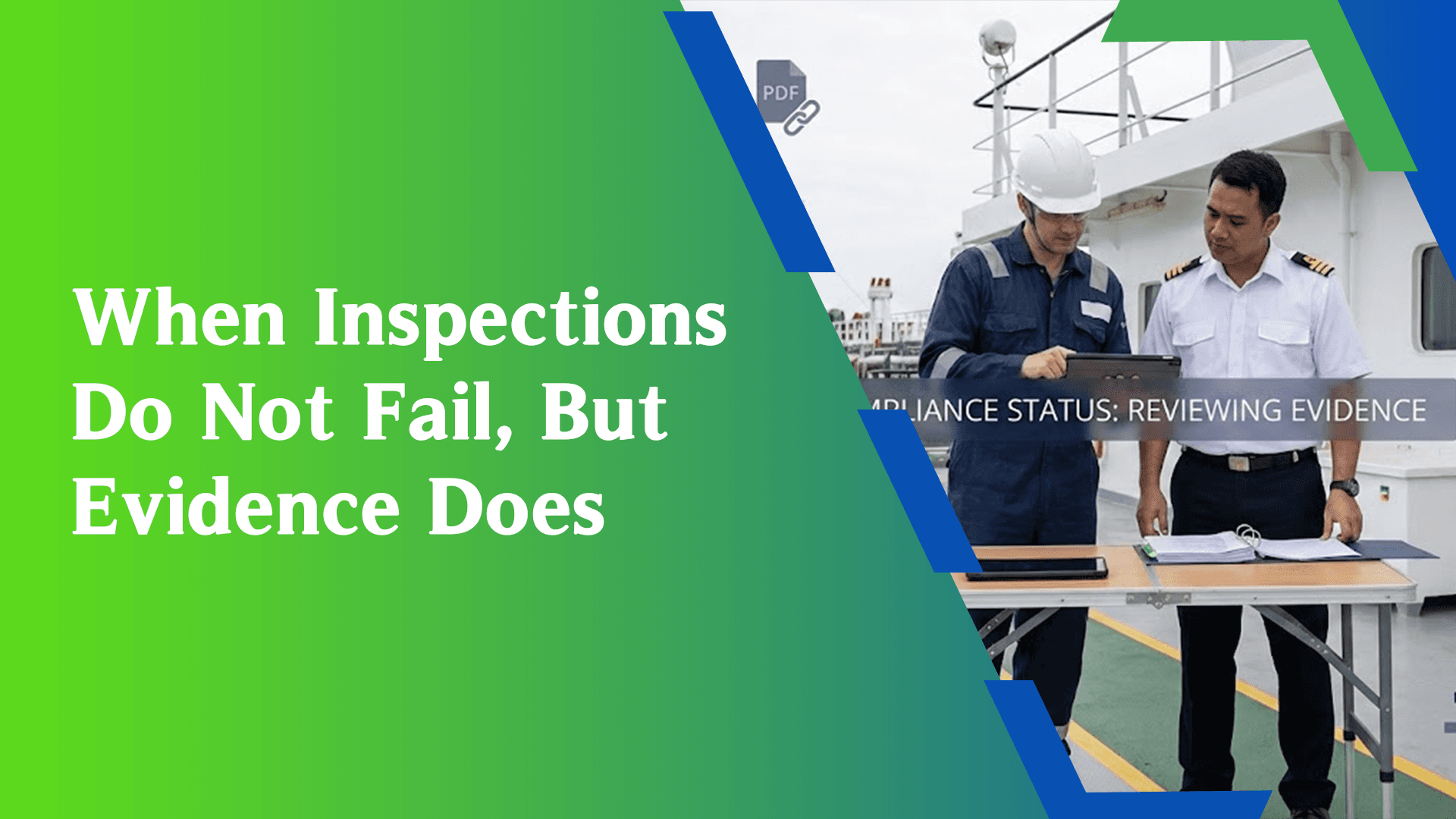
A ship inspection report fails when evidence is fragmented. Learn why modern operators must rethink inspection reporting for audits, chartering, and asset decisions.
Mar 2, 2026 by Dario Barbaro
Explore how international maritime law and regional maritime laws and regulations differ in 2025/2026 across the EU, US, and Asia-Pacific.
May 7, 2026 by Dario Barbaro
** Explore PARIS MoU 2025 data on ship deficiencies and detention risks. Identify high-risk defects, trends, and strategies to avoid PSC detention.

REGD ADDRESS: MR-1, 5th Floor, WIng-A, AltF Statesman House, 148, Barakhamba Road,
Connaught Place, New Delhi - 110001
ADDRESS: Pawla Ponke 84-207 Bojano, Poland
TELEPHONE: +91 835 692 3342
EMAIL: info@navirego.com
About Us
Cognitive Hub
Terms & Conditions
Privacy policy


Home
Industries
Products
Case Studies
NEWSLETTER
Subscribe to our newsletter for regular updates and insights.