

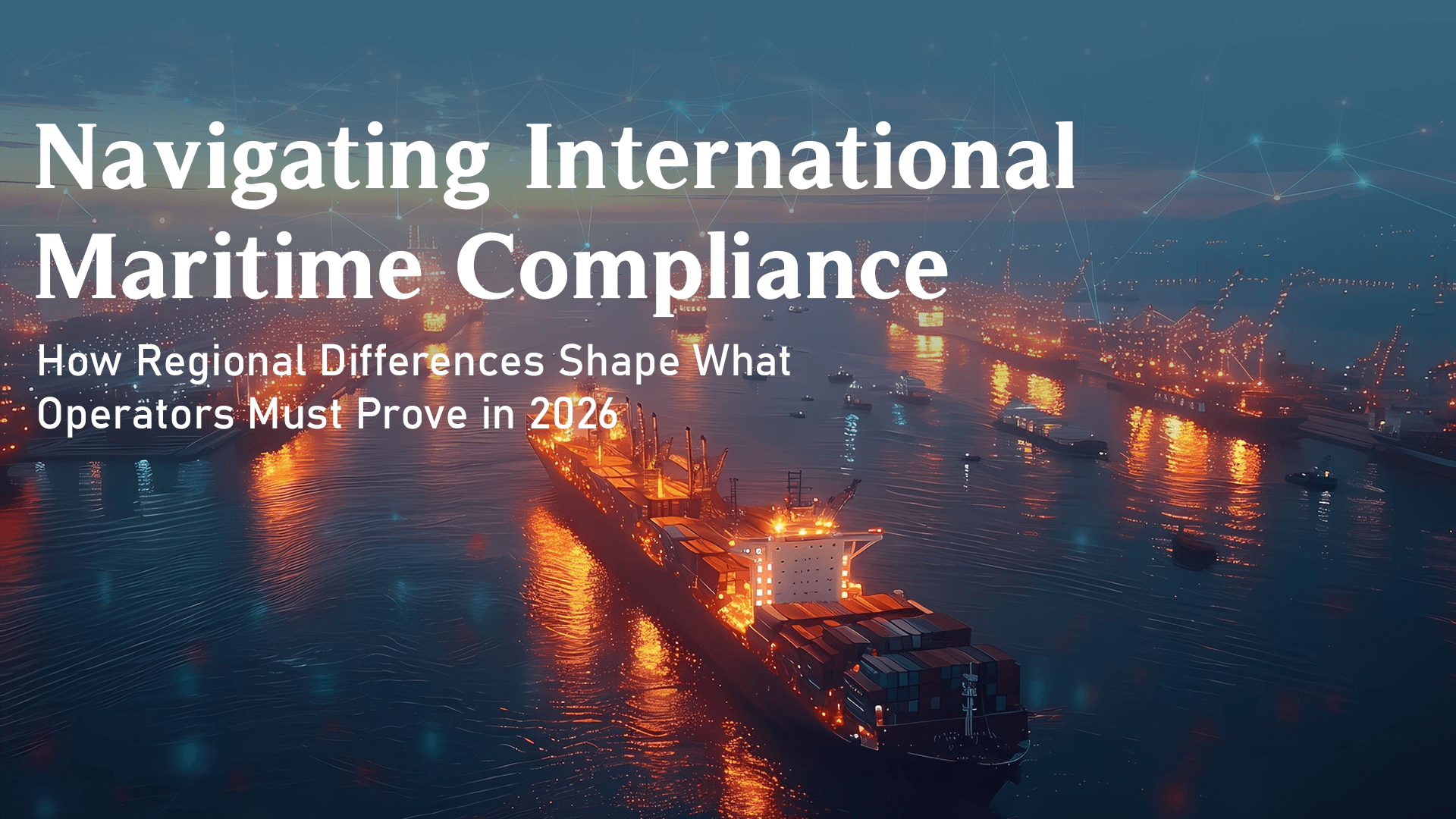
Under international maritime law, the IMO sets the global compliance baseline — but the real-world rules operators face in 2025/2026 extend far beyond IMO frameworks. The EU, US, and Asia-Pacific impose their own environmental, safety, and cybersecurity requirements, each demanding structured digital evidence, high-frequency reporting, and region-specific readiness.
Failing to meet these additional maritime laws and regulations leads to delays, fines, investigation, or even detention. The fleets that understand regional differences — and prepare for them — outperform operationally and commercially.
Most operators assume that IMO compliance equals global compliance. But in practice, this assumption is the cause of many of the industry’s worst compliance failures.
Why?
Because international maritime regulations are layered. The IMO provides the foundation, but individual regions — the EU, US, UK, and Asia-Pacific states — enforce stricter, more localized requirements.
In 2025–26, fragmentation becomes more pronounced across:
HSQE teams must now prepare per-region compliance readiness, not just “international readiness.” Operators who treat IMO as the ceiling rather than the floor will struggle to meet requirements at ports across Europe, the US, China, Singapore, and Korea.
Environmental compliance is where regional deviation from international maritime regulations is most drastic. 2025/2026 introduces overlapping carbon regimes, high-frequency monitoring, and tech-driven enforcement across multiple jurisdictions.
The EU is now the most demanding region for environmental reporting.
Operational impact:
Operators must maintain high-frequency fuel monitoring, calibrated data sources, emissions models, and structured evidence bundles to survive EU audits and verifier checks.
Post-Brexit, the UK runs its own ETS regime — not a carbon copy of the EU scheme.
For operators, this increases administrative complexity and doubles the risk of dataset inconsistencies.
Operational impact:
Environmental compliance becomes directly linked to port costs, turnaround times, and inspection intensity.
Unlike the EU, the US does not run a carbon market — but its environmental enforcement is among the strictest in the world.
Key US rules include:
Operational impact:
In US waters, environmental compliance is less about GHG and more about air-quality mandates, regional fuel rules, and proof that equipment is functioning properly.
Image
Image-7
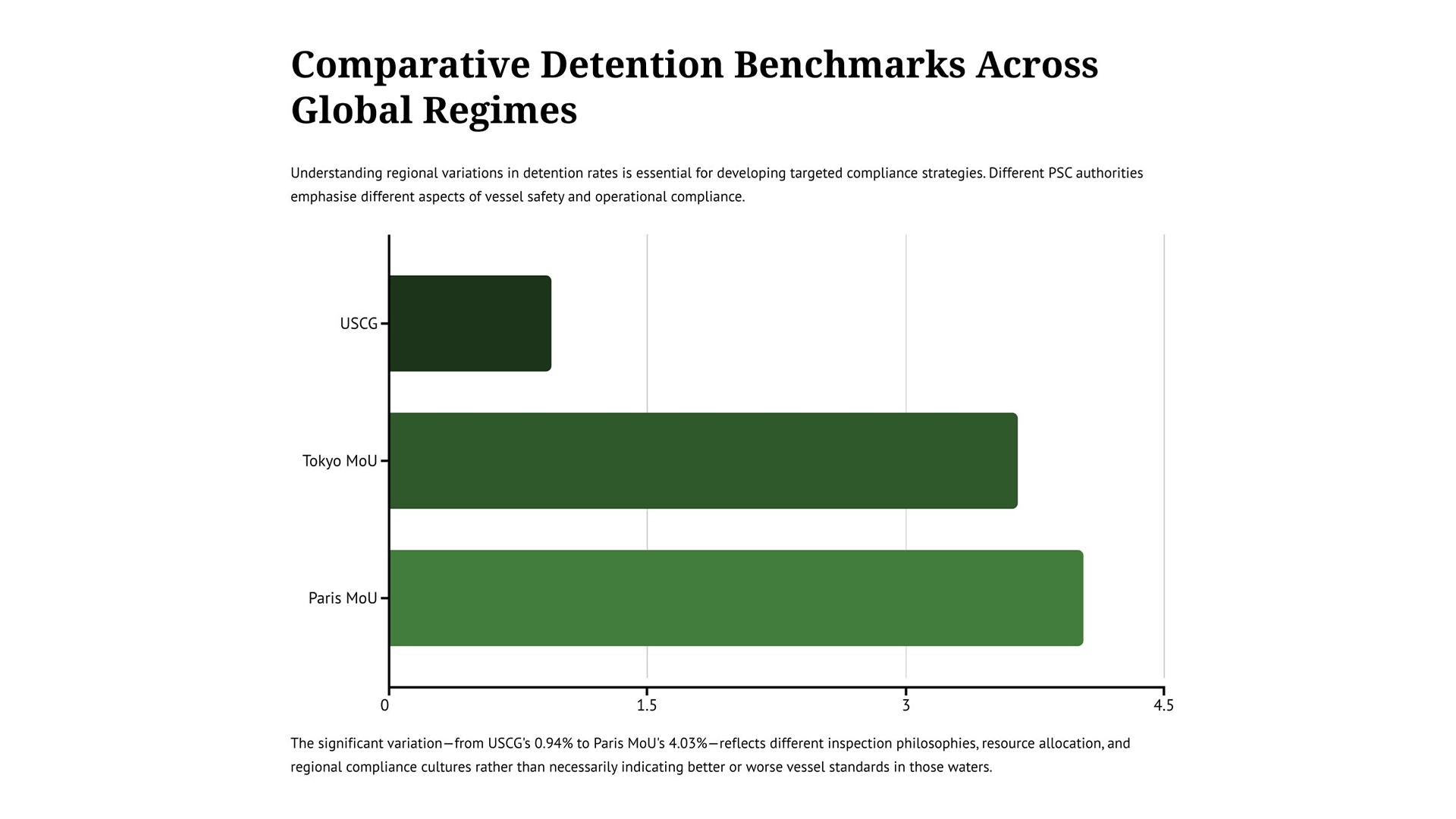 While SOLAS and ISM form the backbone of global safety standards under international maritime law, many states impose additional, stricter requirements.
The US applies safety rules more aggressively than most IMO member states.
Examples include:
Impact:
USCG inspections go deeper into operational behavior, documentation integrity, and crew preparedness than SOLAS alone requires.
Canada’s “SOLAS Supplement” adds:
Foreign vessels arriving with IMO-only documentation often face unexpected requests for additional evidence.
Impact:
European inspectors expect more robust drill documentation and better-maintained structural and fire systems.
Polar Code requirements combine with national pilotage rules and equipment expectations.
Impact:
Operators underestimate pre-voyage certification demands, SAR equipment requirements, and mandatory documentation for ice navigation.
Cyber is one of the fastest-evolving areas in maritime laws and regulations.
Impact:
Cyber readiness becomes an operational compliance requirement, not an IT “good practice.”
Many countries now accept digital certificates, including:
However, acceptance remains mixed in:
Impact:
HSQE teams must maintain both validated digital evidence and fallback paper formats — or risk disputes and delays.
Operating across regions with divergent international maritime regulations creates several challenges:
Multiple regimes (EU ETS, UK ETS, MRV, FuelEU, national ECAs) require perfectly aligned datasets.
Regional safety rules increase the checklist burden and documentation expectations.
One region accepts an e-cert; another demands the original.
Different reporting requirements can lead to compliance failures during or after cyber incidents.
All of this increases workload for HSQE teams and raises operational risk during port calls.
These real-world patterns illustrate how misunderstanding regional maritime laws and regulations leads to costly consequences.
Issue: Detained for failing to notify Spanish authorities before an STS transfer.
Relevance:
This is not an IMO violation — it is a regional administrative requirement. A classic example of detention due to missing local compliance knowledge.
Issue: Oil slick detected via European CleanSeaNet satellite surveillance → detained for MARPOL Annex I violation.
Relevance:
Europe uses advanced digital monitoring tools; enforcement goes beyond IMO’s reactive inspection framework.
Issue: MARPOL violation + falsified ORB → criminal charges under APPS.
Relevance:
The U.S. applies international maritime regulations far more aggressively, with criminal liability for documentation fraud.
Under modern international maritime law, IMO rules are only the foundation. In 2025/2026, regional differences define actual compliance risk. The EU, US, and Asia-Pacific each impose environmental, safety, cyber, and documentation rules that require:
Operators that treat compliance as a global, digital, evidence-first discipline reduce detention risk, improve vetting outcomes, and hold a stronger commercial position. Those who rely solely on IMO frameworks will face growing fines, delays, and operational disruption.
The future of maritime compliance belongs to fleets that understand — and prepare for — the layered reality of today’s international maritime regulations.
In 2025/2026, maritime compliance is no longer defined by a single rulebook. Operators must prove compliance differently in Europe, the US, and Asia-Pacific—often with region-specific evidence, reporting formats, and documentation standards. Navirego helps fleets manage this layered reality by structuring inspection data, environmental records, and compliance evidence into audit-ready, region-aware workflows. If your vessels trade globally, your compliance approach must be just as adaptable. Explore how a digital, evidence-first platform can support regional compliance readiness across your fleet.
International maritime law is primarily set by the IMO and establishes global baseline standards for safety, environmental protection, and vessel operations. However, regional authorities such as the EU, US, and Asia-Pacific states impose additional maritime laws and regulations that go beyond IMO requirements. These regional rules often demand stricter reporting, localized documentation, and higher enforcement intensity.
IMO compliance represents the minimum global standard, not the full regulatory picture. In 2025/2026, operators must also meet EU ETS, FuelEU Maritime, UK ETS, US environmental enforcement, regional safety directives, and cybersecurity mandates. Failing to prepare for these layered international maritime regulations exposes vessels to fines, delays, or detention—even if IMO certificates are valid.
The EU focuses heavily on emissions, digital reporting, and verifier-grade evidence. The US applies aggressive enforcement on safety, pollution prevention, and documentation integrity, often with criminal liability. Asia-Pacific regions emphasize digital accuracy, spot inspections, and operational readiness. Each region requires different types of proof under maritime laws and regulations.
Authorities increasingly expect structured digital evidence, including timestamped photos, calibrated fuel and emissions data, verified certificates, cyber incident records, and audit-ready inspection documentation. Informal records, unstructured photos, or inconsistent logs are no longer sufficient under modern international maritime law enforcement practices.
Operators need standardized internal processes combined with region-specific compliance readiness. This includes unified inspection templates, consistent evidence capture, digital documentation management, and the ability to tailor reports for different authorities. Digital platforms play a critical role in aligning fleet-wide data with varying international maritime regulations.
[Explore how NAVIREGO] (https://www.navirego.com/contact) AI-native Inspection Ecosystem helps your team convert inspection reports into real-time insights, performance feedback, and predictive safety intelligence.
Feb 07, 2025 by Vivek Narain
Discover how AI in maritime is revolutionizing the shipping industry, enhancing efficiency, driving sustainability, and preparing businesses for the future.
Feb 20, 2025 by Vivek Narain
Explore AI's role in maritime—predictive maintenance, route optimization, autonomous vessels, and energy management—driving efficiency, safety, and sustainability.
Mar 10, 2025 by Vivek Narain
Improve your vessel’s CII rating by increasing deadweight capacity. A cost-effective, practical approach for shipowners to enhance fuel efficiency and compliance.
Mar 17, 2025 by Vivek Narain
Ensure your fleet complies with the new IP Code by July 2024. Learn key retrofitting steps, safety upgrades, and compliance solutions in this practical guide.
Mar 23, 2025 by Vivek Narain
Discover how AI and GenAI are revolutionizing maritime operations, enhancing efficiency, compliance, and decision-making for a smarter shipping industry.

Apr 02, 2025 by Vivek Narain
Explore AI regulations across the EU, U.S., and China. Learn about compliance, risk frameworks, and business impact in this comparative analysis.
Jun 03, 2025 by Vivek Narain
Ensure HKC ship recycling compliance by June 2025. Learn key rules, IHM certification, and how to align with EU SRR and authorized recycling facilities.
Jun 10, 2025 by Vivek Narain
Analyze 2024 Port State Control (PSC) reports across USCG, Paris, Tokyo, India, and Black Sea MOUs. Get data on detentions, top deficiencies, ship types, and compliance risks.

Jun 17, 2025 by Dario Barbaro
Explore how AI agents and agentic workflows differ, with real-world examples from shipping and offshore sectors. Learn their benefits, risks, and future potential.
Jul 30, 2025 by Dario Barbaro
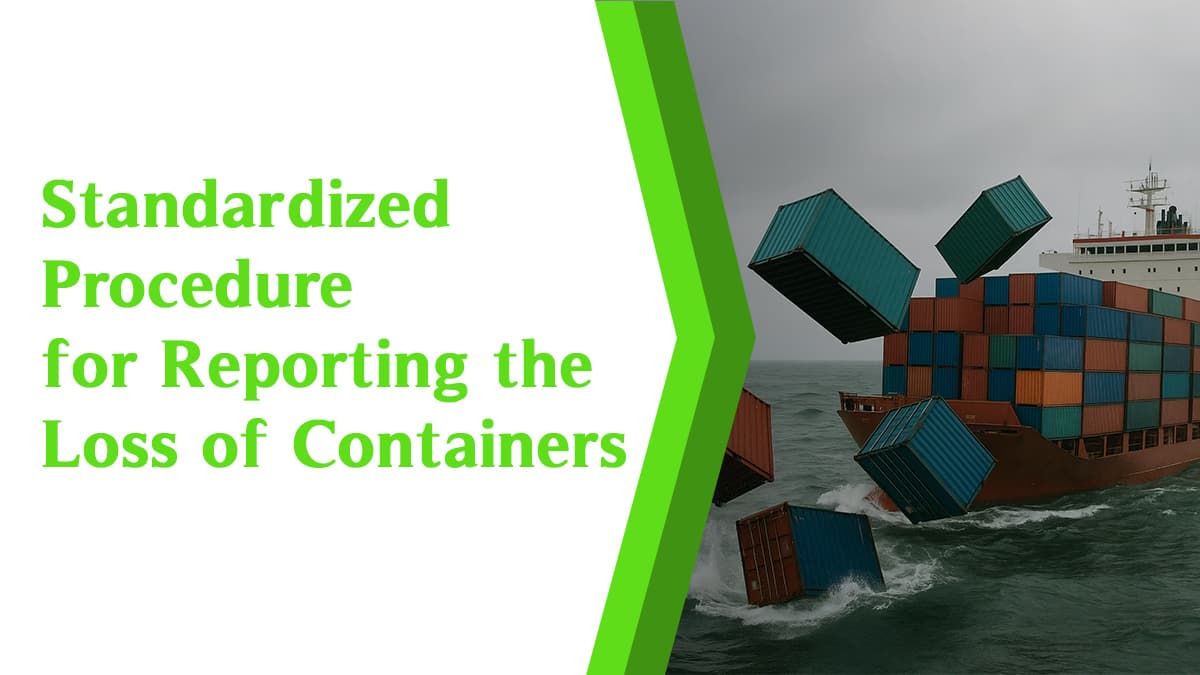
IMO RESOLUTION MSC.550(108) introduces mandatory, standardized reporting for containers lost at sea. Learn what it means for maritime compliance and safety.
Aug 06, 2025 by Dario Barbaro
Many maritime teams fall into the 80% trap, pushing AI toward full automation. Discover how Navirego’s augmented AI in maritime empowers professionals without replacing them.
Aug 18, 2025 by Dario Barbaro
Learn how to use Gen AI in high-stakes maritime operations without compromising safety, accuracy, or control. NAVIREGO shows the way.
Aug 27, 2025 by Dario Barbaro
Maritime safety AI can help prevent future incidents by ensuring safety lessons turn into real-time updates and action. Learn how NAVIREGO is driving change.
Sept 08, 2025 by Dario Barbaro
IMO’s 2025 rules limit remote surveys, ISM audits, and ISPS checks. See how NAVIREGO helps fleets stay compliant in a hybrid compliance era.
Sept 09, 2025 by Dario Barbaro
IMO is adding VDES to SOLAS to counter AIS spoofing and improve secure ship-to-shore communication. Learn what this means for shipowners with NAVIREGO.
Sept 11, 2025 by Dario Barbaro
Generative AI in maritime works best with a vertical focus. See how NAVIREGO delivers domain-specific AI for HSQE, compliance, and operations.

Sept 22, 2025 by Dario Barbaro
Did you know LLMs like ChatGPT struggle with numbers? Learn why this matters for data-heavy maritime tasks and how NAVIREGO ensures precision.

Oct 25, 2025 by Dario Barbaro
Discover how AI-assisted regulatory search helps DPAs track rule changes, reduce manual checks, and stay audit-ready with NAVIREGO’s Standard Library.
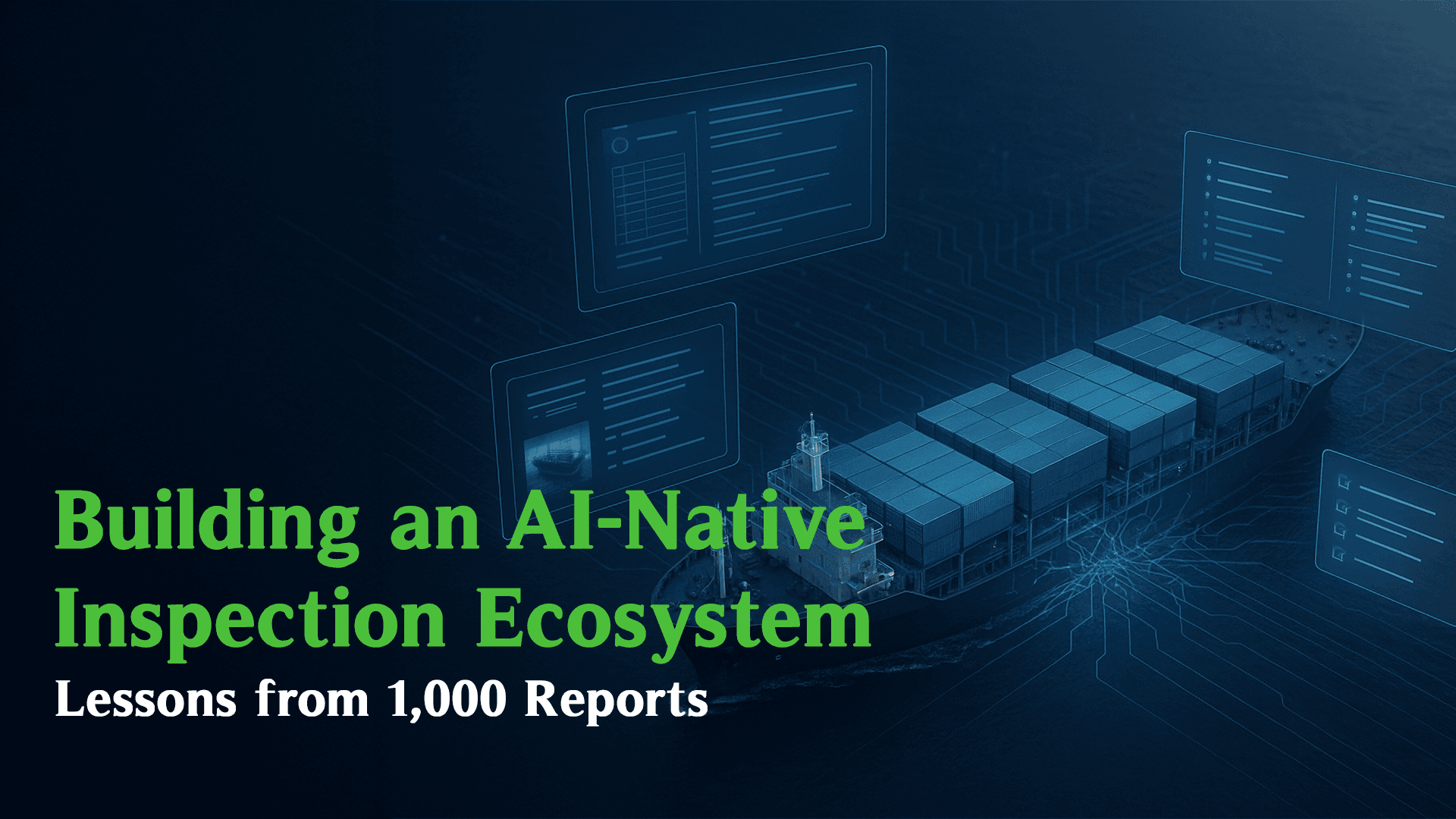
Nov 21, 2025 by Dario Barbaro
See how NAVIREGO uses NLP and vision AI to extract insights from 1,000+ inspection reports, powering smarter, predictive maritime compliance.
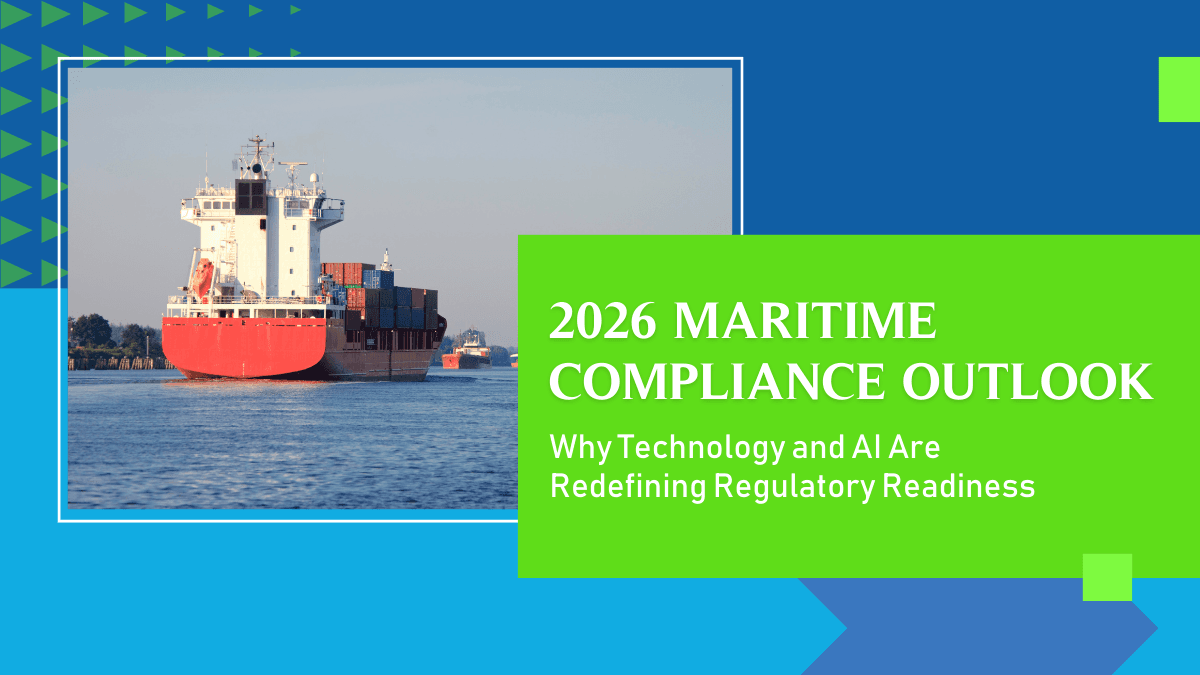
Dec 30, 2025 by Dario Barbaro
Explore how maritime environmental regulations are evolving by 2026 and how technology and AI are reshaping compliance, inspections, and regulatory readiness.
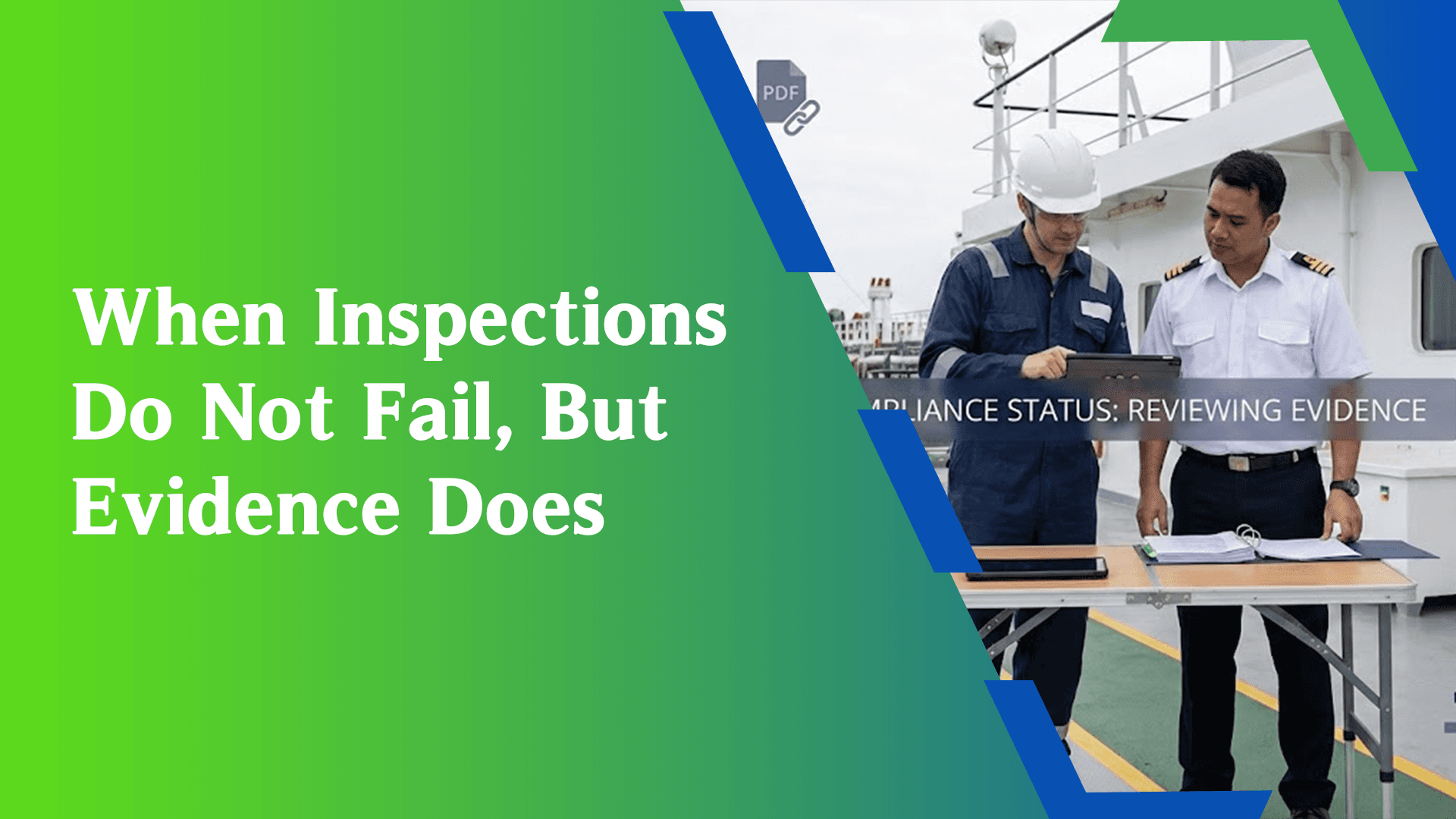
Jan 20, 2026 by Dario Barbaro
A ship inspection report fails when evidence is fragmented. Learn why modern operators must rethink inspection reporting for audits, chartering, and asset decisions.
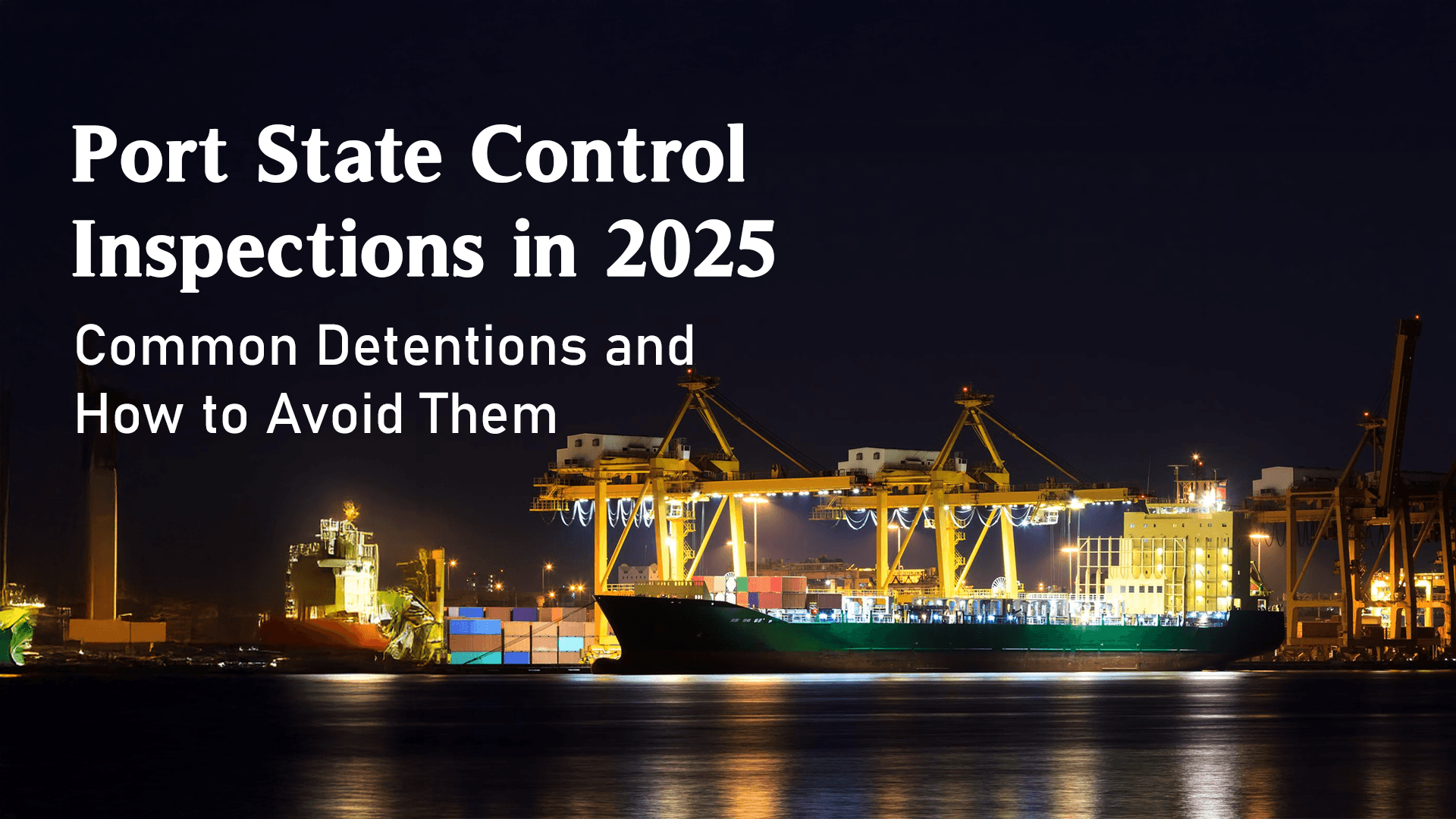
Feb 23, 2026 by Dario Barbaro
Port State Control inspection trends for 2025—top detention drivers, PSC inspection report risks, and practical steps to avoid failures in 2026 readiness.
May 7, 2026 by Dario Barbaro
** Explore PARIS MoU 2025 data on ship deficiencies and detention risks. Identify high-risk defects, trends, and strategies to avoid PSC detention.

REGD ADDRESS: MR-1, 5th Floor, WIng-A, AltF Statesman House, 148, Barakhamba Road,
Connaught Place, New Delhi - 110001
ADDRESS: Pawla Ponke 84-207 Bojano, Poland
TELEPHONE: +91 835 692 3342
EMAIL: info@navirego.com
About Us
Cognitive Hub
Terms & Conditions
Privacy policy


Home
Industries
Products
Case Studies
NEWSLETTER
Subscribe to our newsletter for regular updates and insights.